Three Rivers Conference 2026
This February, the annual Three Rivers Conference was held at Hardwick Hall, Sedgefield. I had the opportunity to attend with the DIAN Research Group, where I am completing my undergraduate psychology placement year. The event was introduced by Professor Richard Walker, Professor Alison Yarnall and Dr Naomi Warren, and was full of exciting research in the Northeast.
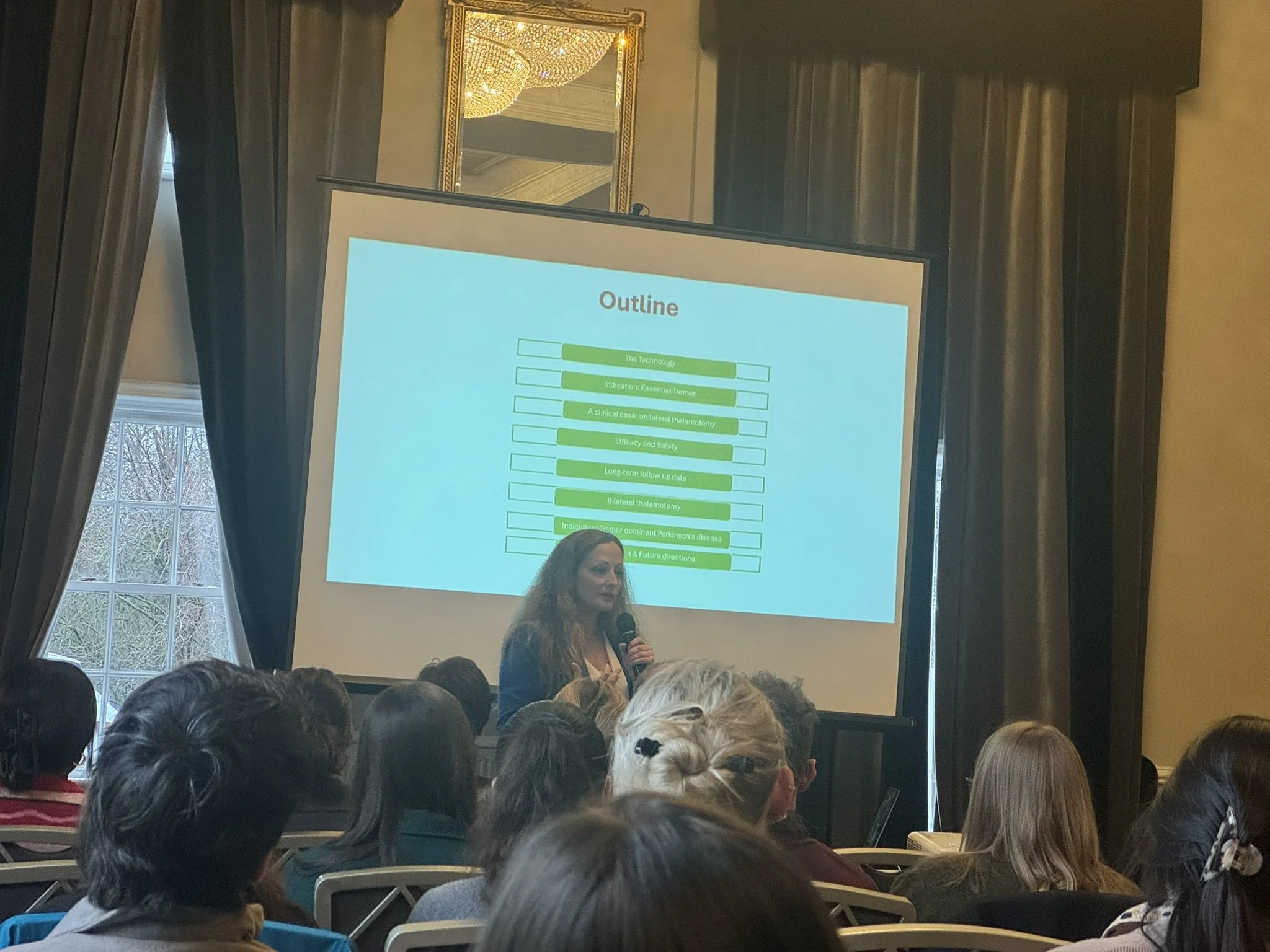
Consultant Neurologist and Clinical Associate Professor at the University of Liverpool
Dr Antonella Macerollo, a Consultant Neurologist at the Walton Centre in Liverpool as well as a Clinical Associate Professor at the University of Liverpool, presented her innovative work into MRI guided focused ultrasound. This is a form of treatment aimed at reducing tremors in conditions such as Parkinson’s disease and dystonia. It has been showing promising results, with aims for future research including collection of long-term data and addressing health inequalities in accessing the therapy.
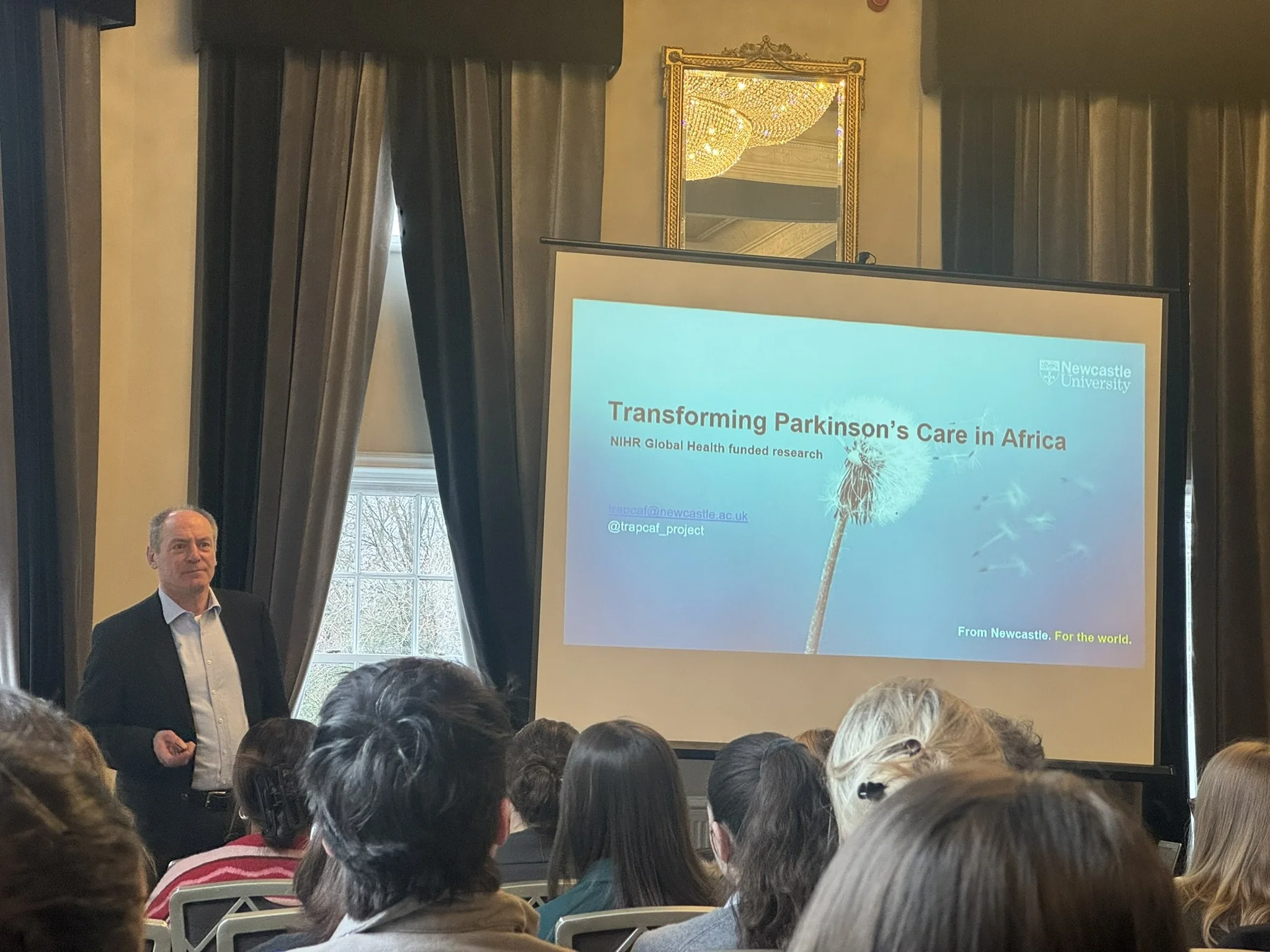
Consultant Physician and Honorary Professor of Ageing and International Health at Newcastle University
The next speaker was Professor Richard Walker, a Consultant Physician and Honorary Professor of Ageing and International Health at Newcastle University and the lead for the Northumbria Parkinson’s disease service. His presentation focused on the progress of his research ‘TraPCAf.’ This includes investigating the burden of Parkinson’s disease in Africa, how rates of diagnosis could be improved and developing affordable, sustainable treatments. Researchers have found that around 1 in 5 people with the condition in Africa are undiagnosed, highlighting the need for better diagnostic methods. The group also research the use of Mucuna Pruriens (a legume containing natural levodopa). Initial results indicate that it could be an effective and more affordable treatment for patients in Africa. Qualitative studies within TraPCAf involving people with Parkinson’s, healthcare providers and carers, have found themes of stigma, high cost and inaccessibility of treatment, and struggles with symptoms (including mobility). Future plans include the GP2 study, looking at the genetics of Parkinson’s disease around the world. Additionally, research into epidemiology will investigate the potential link between Parkinson’s and pesticide use in Africa.
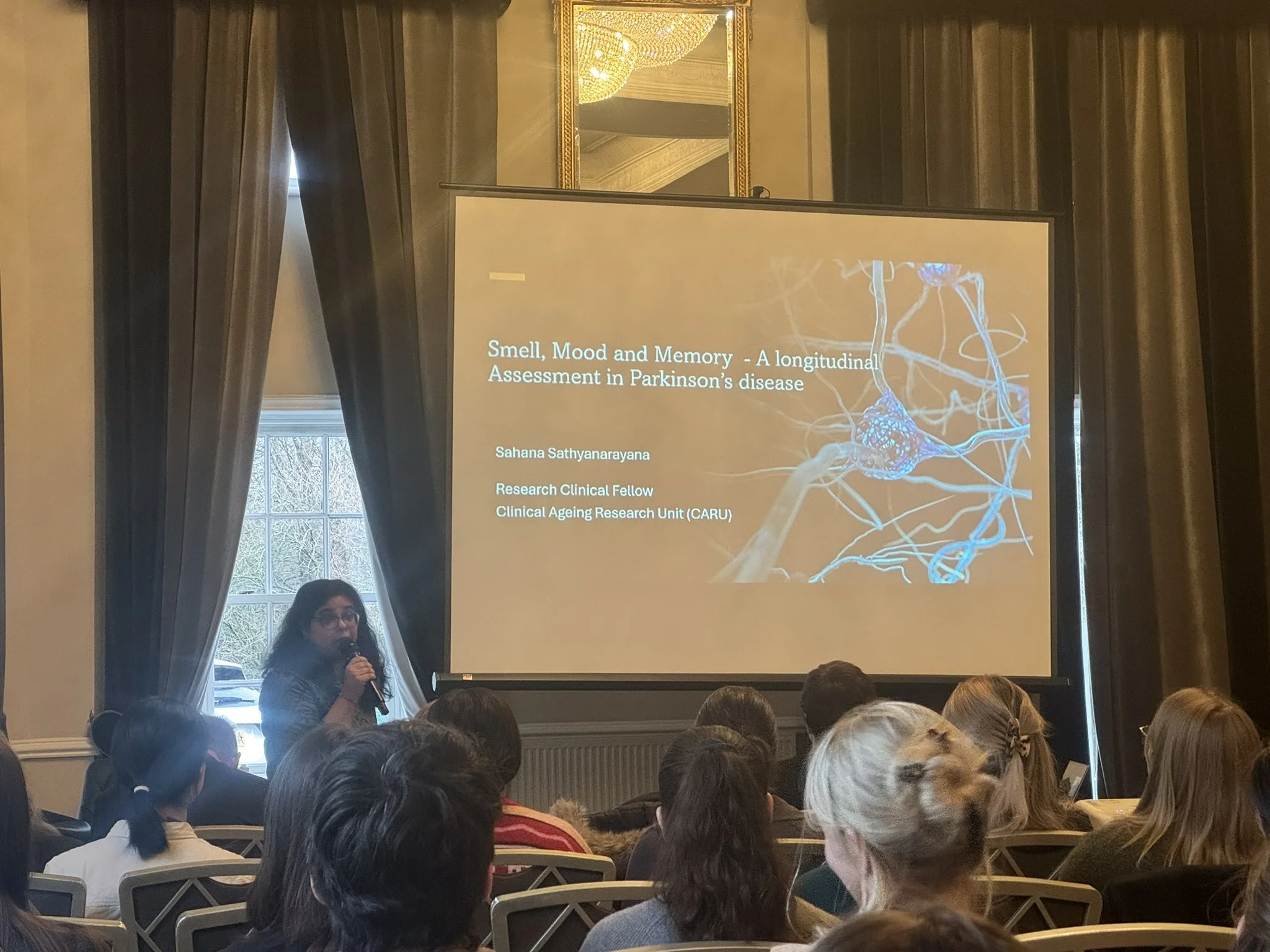
Dr Sahana Sathyanarayana
Associate Clinical Researcher at Newcastle University
Dr Sahana Sathyanarayana, Associate Clinical Researcher at Newcastle University, presented her work into ‘Smell, mood and memory- a longitudinal assessment in Parkinson’s disease.’ A substantial loss of dopaminergic neurones at Parkinson’s diagnosis has been found, which can cause conditions like hyposmia. This is a reduced sense of smell and is caused by dysfunction in the olfactory pathway, including emotional regions of the brain such as the amygdala. Dr Sathyanarayana’s work focused on a possible correlation between hyposmia and longitudinal mood and memory decline; it used pre-existing data and fMRI scans to study this. The results suggested that olfactory dysfunction significantly predicted cognition and mood. Additionally, fMRIs suggested capacity for improvement through interventions.
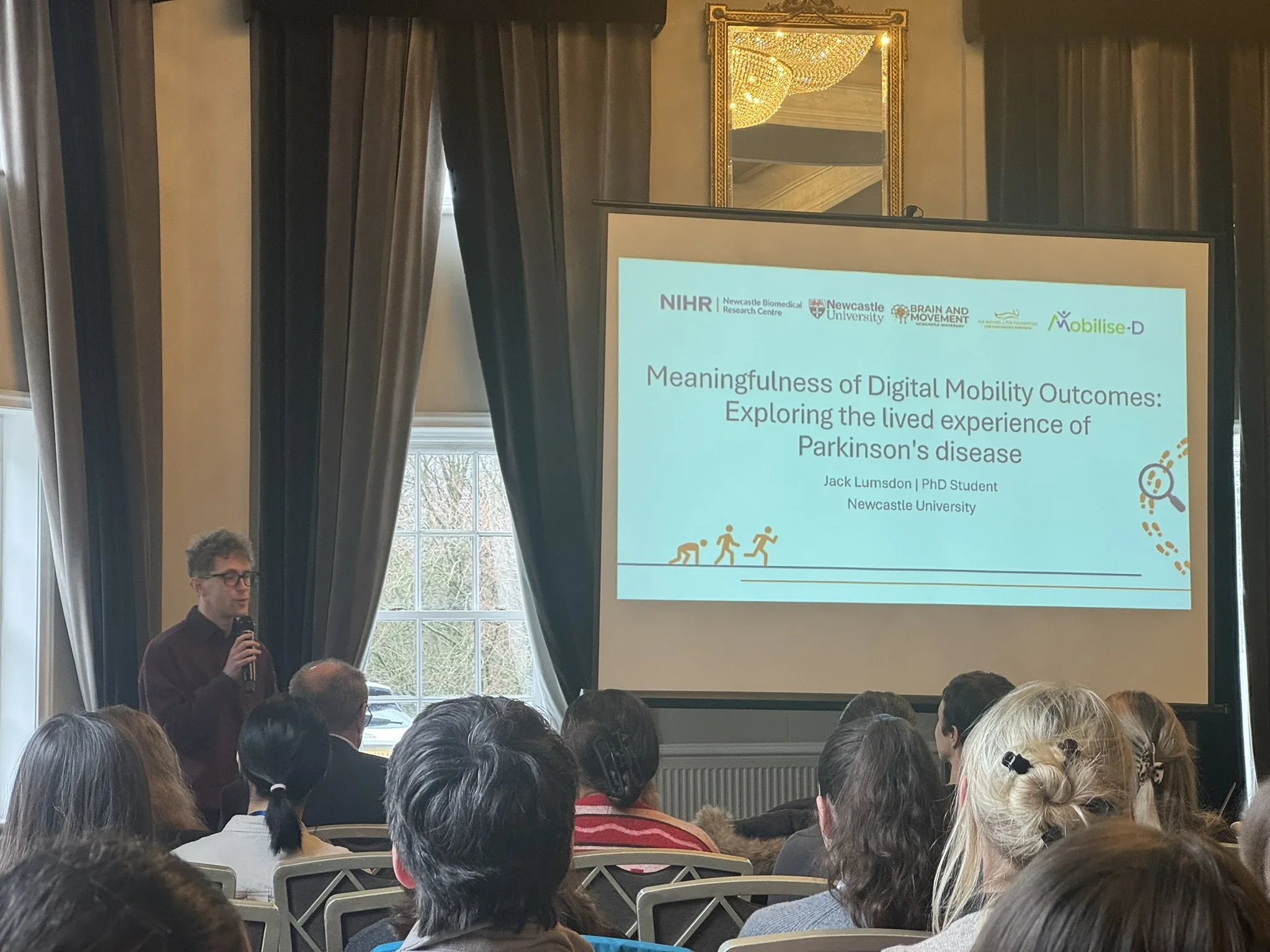
PhD Student at Newcastle University
We then heard from Jack Lumsdon, PhD Student at Newcastle University, about his work into ‘Meaningfulness of Digital Mobility Outcomes: Exploring the lived experience of Parkinson’s disease.’ This work investigates the range of symptoms that affect mobility and underly the impact of Parkinson’s. These are assessed for diagnosis and functional impacts of medications, thus making accurate assessment methods crucial. However, these are currently subjective and therefore potentially unreliable. One solution to this could be the use of wearable technology, specifically sensors placed on a patient’s back that gather data on the characteristics of their walk. The study aimed to find which of these characteristics were the most meaningful, concluding that these were walking speed, turn duration and stride length.
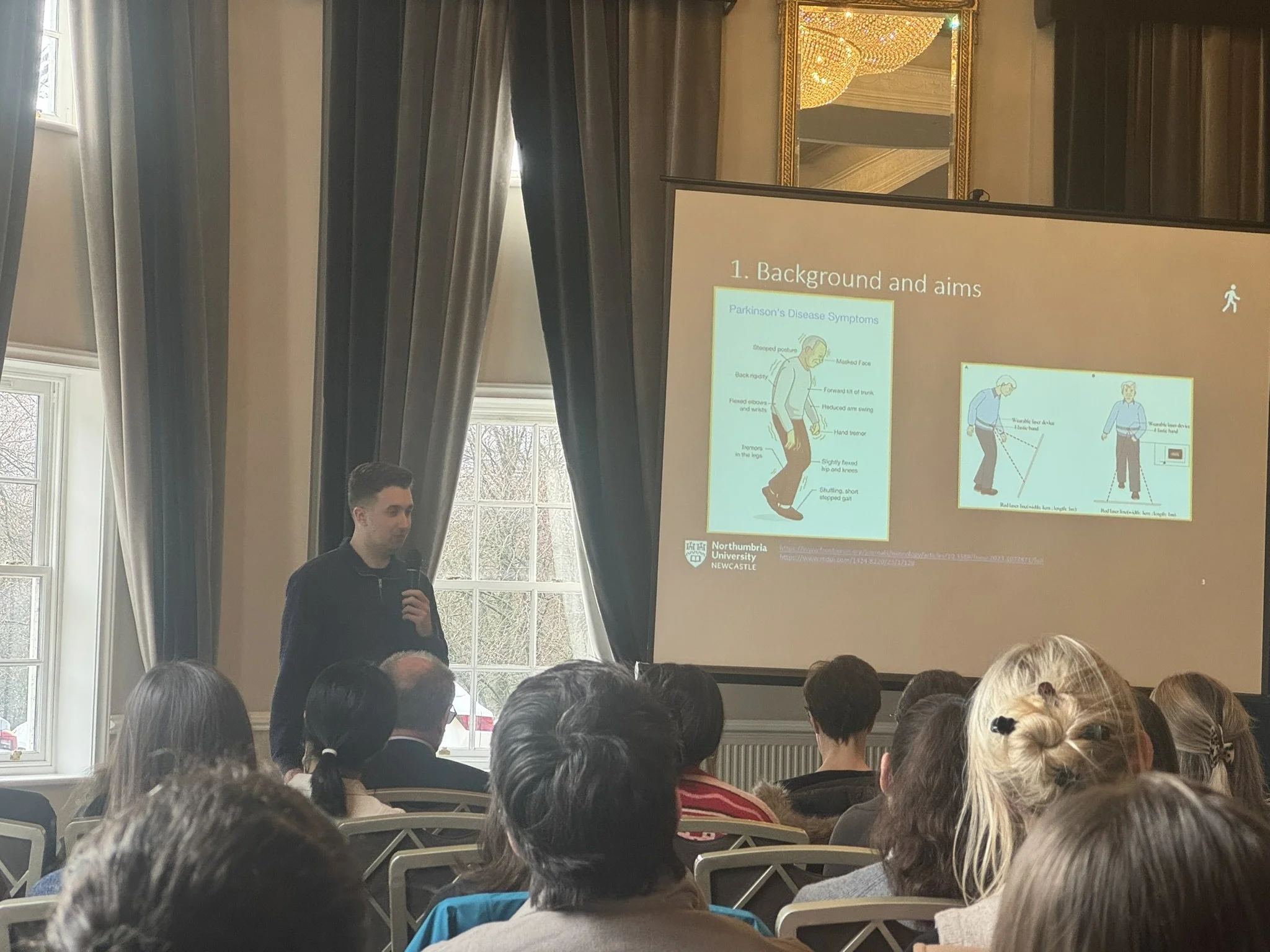
Senior Research Assistant at Northumbria Unviersity
The next speaker was Dr Conor Wall, Senior Research Assistant at Northumbria Unviersity, presenting ‘Cue PD: Reducing falls in Parkinson’s disease via a novel gait retraining app.’ Developed and trialled by Connor, the app uses auditory cuing to train gait in Parkinson’s patients. He found that music can increase an individual’s gait speed and stride length as well as decrease stride variability, with vocal music being the most effective. Unlike previous research, this study personalised the music, with the tempo set as the patient’s normal gait speed +10%. This enabled increased improvement in gait speed (79% of participants rather than 50% found in non-personalised studies). The study also found no relationship between musicality and cue adherence, suggesting this intervention could have diverse applications.
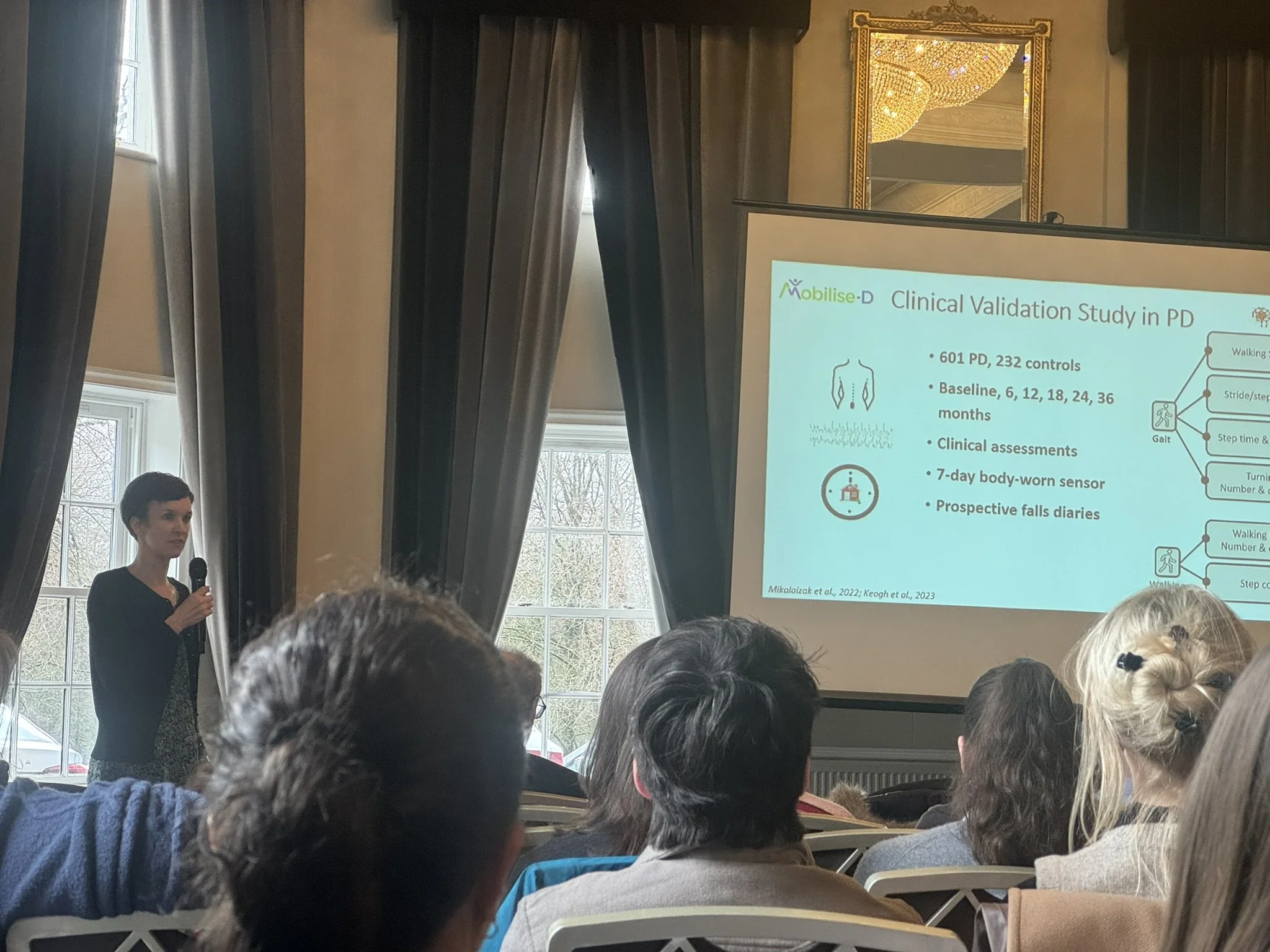
Professor of Geriatric Medicine and Honorary Consultant in Older People’s Medicine
The penultimate presenter was Professor Allison Yarnall, Professor of Geriatric Medicine and Honorary Consultant in Older People’s Medicine, and with her work ‘Towards digital mobility as outcome measures in Parkinson’s disease- MOBILISE-D.’ Wearable devices are an inclusive approach to assessing mobility in Parkinson’s with the ability to digitally capture characteristics of movement. The aim of Mobilise-D is to validate these devices to be used in clinical trials and care, to assess the efficacy of a treatment or disease progression. The study group have found that there were significant differences between digital mobility data for those with Parkinson’s compared to those without. There were also changes observed throughout disease progression. These patterns suggest that these wearable devices could have good sensitivity to mobility measures and therefore is a promising finding for their implementation in the future.
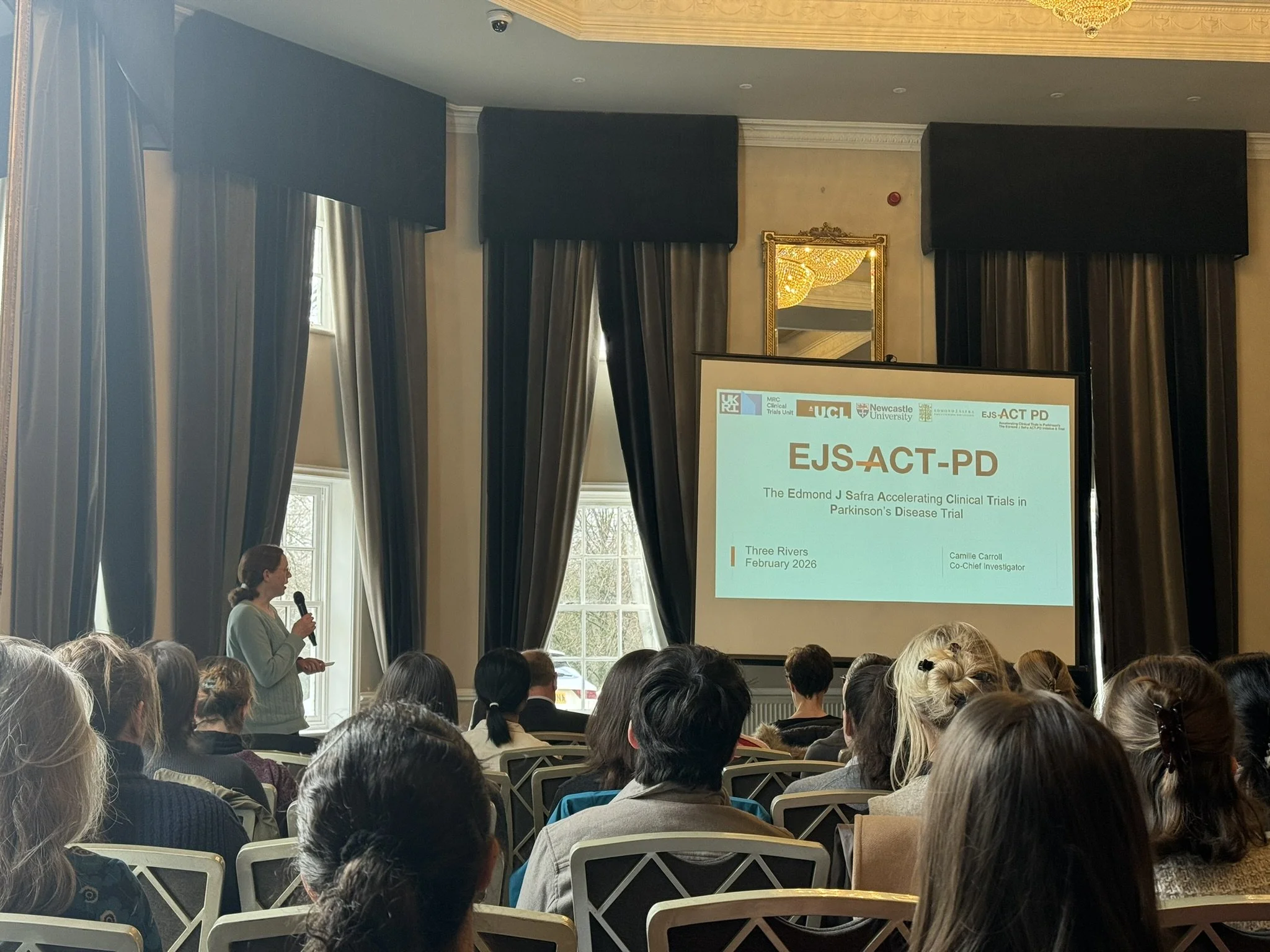
Professor of Clinical Neuroscience
The final presentation was given by Professor Camille Carroll, Professor of Clinical Neuroscience, titled ‘The Edmund J Safra Accelerating Clinical Trials in Parkinson’s Disease (EJS-ACT PD) Trial.’ This is a multi- arm, multi-stage clinical trial for potential disease modifying therapies for Parkinson’s: it enables new drugs to be added and ineffective drugs to be removed from the trial at any point. Started in 2021, this long-term study is currently in the recruitment phase; there are a range of sites across the country, promoting diversity in those taking part. Sub studies embedded into this research include digital measures, genotyping, and bio-samples, which will support the primary aim of accelerating the search for effective Parkinson’s treatments.
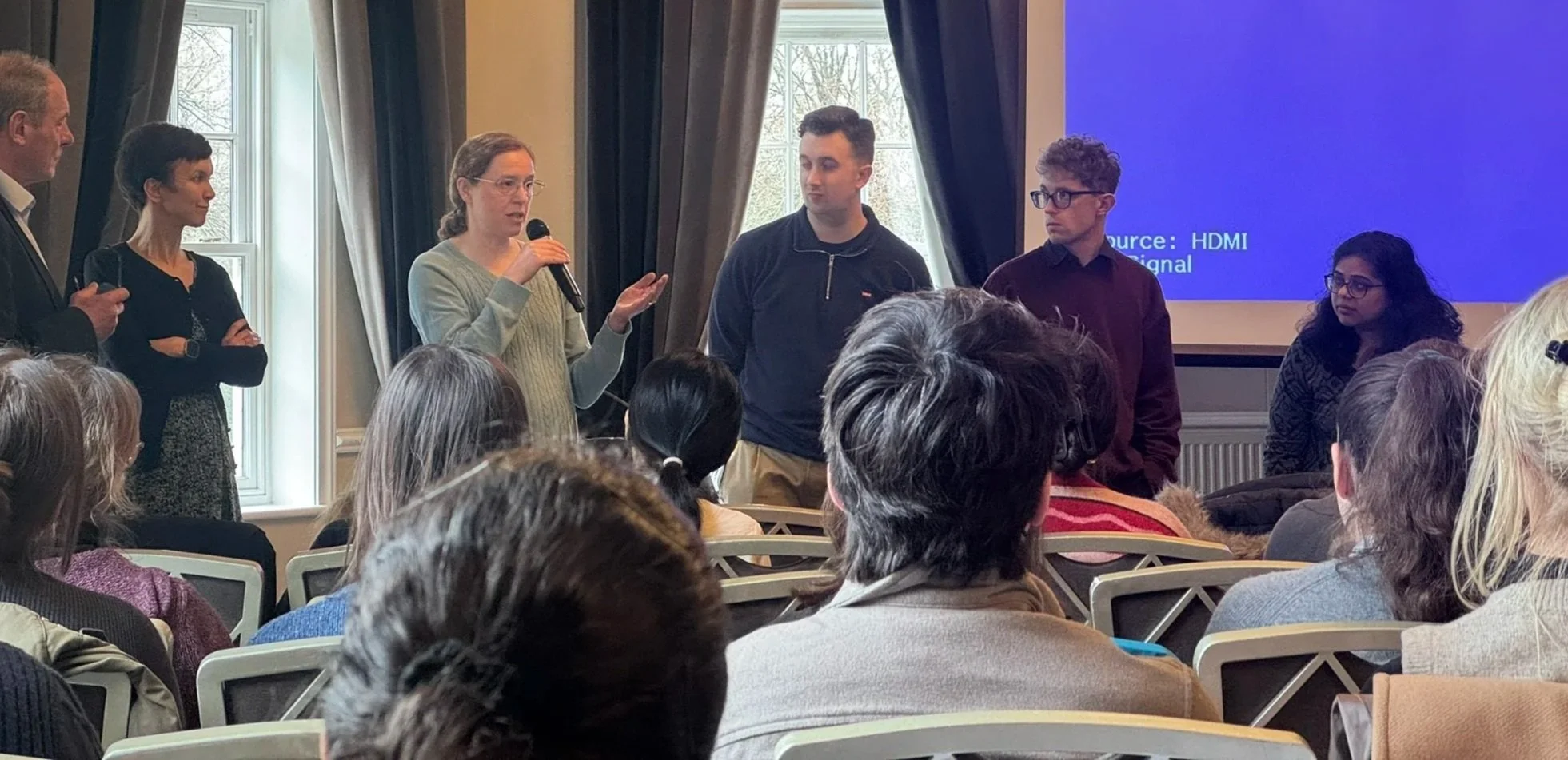
Panel discussion following rapid presentation
The diverse and complex needs of people living with Parkinson’s alongside the importance of supporting underserved communities emphasised by the speakers highlighted to me the remarkable innovation and progress of research in the Northeast. It was evident that the region is at the forefront of research improving the quality of life for those living with Parkinson’s, offering real hope for developments in the future. I look forward to the continuation of these advancements, which have been celebrated at the Three Rivers Conference.
By Rosina Cook
Psychology Placement Student, Newcastle University