

Parkinson’s NEC-RIG Research Day, 20th November 2025
Written by Stephen Wilson from the Sunderland Branch, Parkinson’s UK & Rachael A Lawson, NEC-RIG Lead
Sunderland’s Stadium of Light Montgomery Suite was this year’s location of the North East and Cumbria - Research Interest Group’s Research Day organised by Parkinson’s UK’s regional office, local universities and volunteers from the region.
This year’s main speaker was Dr Uma Nath, Consultant Neurologist and Parkinson’s Disease Specialist of South Tyneside and Sunderland NHS Foundation Trust. Dr Nath explained a brief history of Parkinson’s research and where current studies are now focusing. Misfolded proteins (the alpha-synuclein protein) are a key problem in Parkinson’s, as they collect in Lewy bodies within the brain in non-dissolvable clumps. Research into neuroprotection aims to slow or prevent this damage rather than just treat symptoms, but these treatments are not yet available for Parkinson’s. Neuroprotective approaches have shown success in other conditions, such as Huntington’s disease.
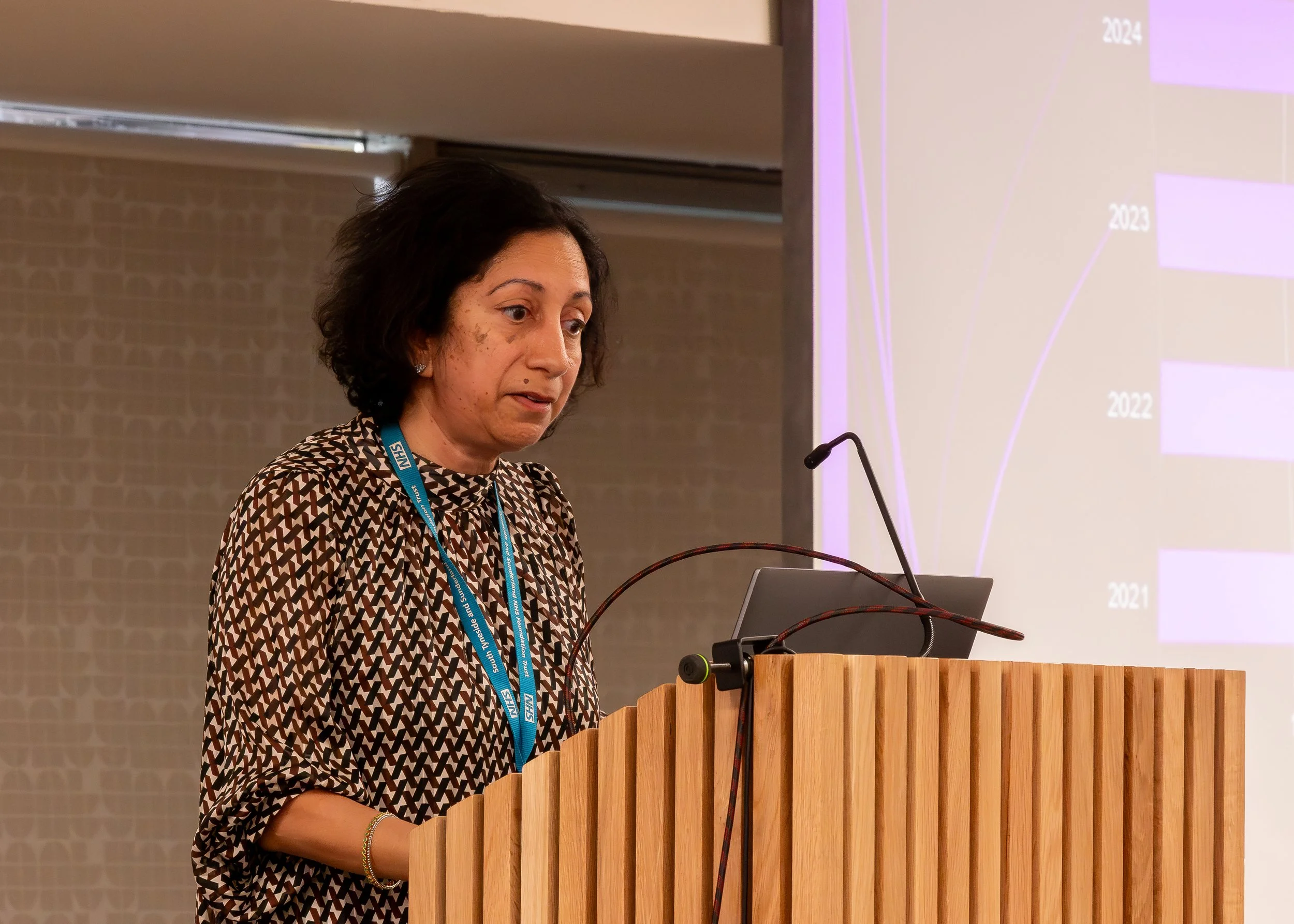
Dr Uma Nath
Consultant Neurologist and Parkinson’s Disease Specialist of South Tyneside and Sunderland NHS Foundation Trust
Genes: Only a small increase in Parkinson’s risk has been found across generations, so Parkinson’s is not usually considered hereditary. Identification of the GBA1 gene has shown that it can be associated with more severe symptoms in some people, and understanding this may allow treatments to be targeted more precisely in the future.
Drug trials and treatments
A number of drug trials were discussed during the talk. A new drug currently being trialled in Newcastle, tadovopan, may help to slow progression in more severe Parkinson’s disease.
Dr Nath also spoke about research into psychosis in Parkinson’s, including delusions and hallucinations, which can be very disabling but are often under-reported as non-motor symptoms. Standard antipsychotic drugs block dopamine and can worsen Parkinson’s symptoms, so research is focusing on non-dopamine-blocking treatments.
One example is ondansetron, which is being studied in the TOPHAT trial (Trial of Ondansetron as a Parkinson’s Hallucinations Treatment). This study aims to find out whether ondansetron can safely and effectively treat hallucinations in people with Parkinson’s or Lewy body dementia who experience regular, troubling hallucinations.
Cannabinoid-based drugs (CBD or THC) were also discussed. These are not treatments for Parkinson’s itself, but may help increase calmness for some patients. Sunderland Hospital is involved in the CAN-PDP study, and early feedback has been positive.
Measuring and understanding Parkinson’s better
Biomarkers in Parkinson’s are being tested to help with earlier or more accurate diagnosis. One example is the alpha-synuclein seed amplification assay, which is currently being studied.
Another important area is the repurposing of existing drugs. Artificial intelligence is being used to identify medicines already approved for other conditions that may benefit people with Parkinson’s in a quicker and more cost-effective way.
Dr Nath finished by highlighting that research activity is increasing across the South Tyneside and Sunderland NHS Foundation Trust Parkinson’s team, offering growing opportunities for people with Parkinson’s to be involved in research.
You can watch Dr Nath’s talk on the video below:
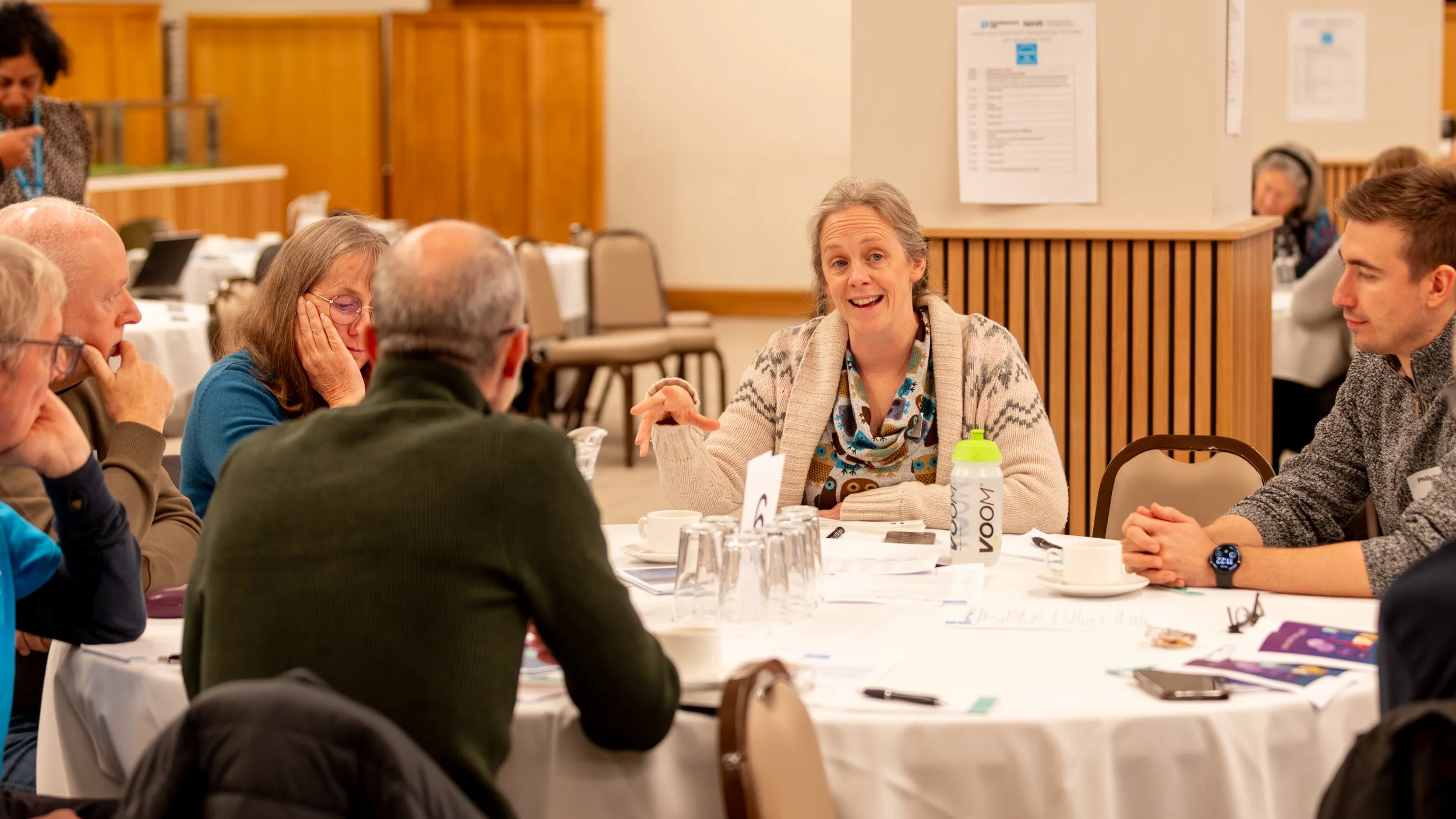
Table-top talks
Dr Nath’s talk was followed by a series of ‘table-top’ talks about local and national studies:
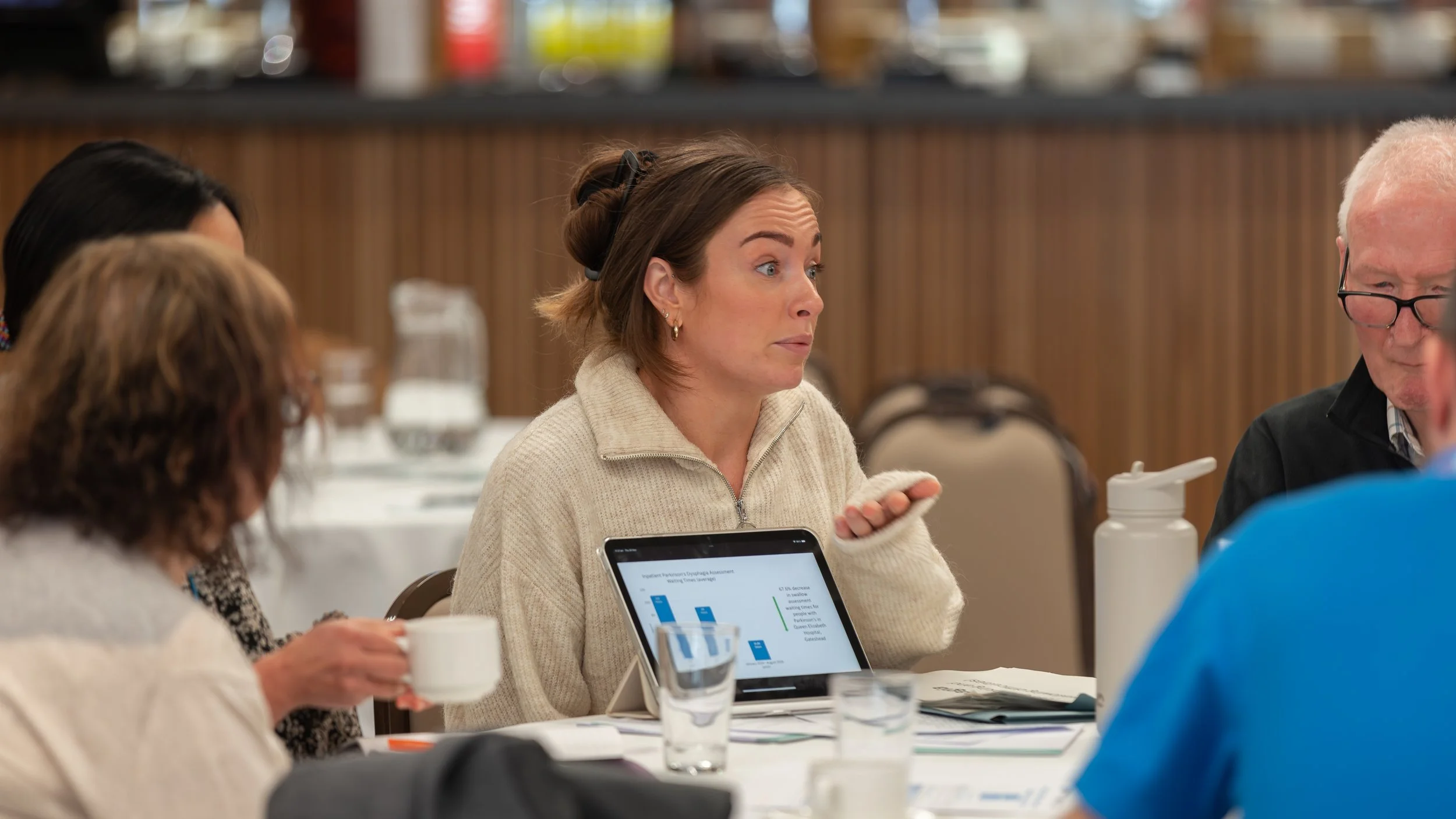
Louise Anderson
Parkinson’s Speech & Language Therapist, Gateshead Health NHS Foundation Trust
Rapid Response to Swallowing Problems in Parkinson’s – A Two Year Pilot Study
Louise discussed a two-year pilot study in Gateshead focused on improving the speed and quality of care for people with Parkinson’s who experience swallowing difficulties. The pilot study in Gateshead has provided rapid assessment of patients, both for in-patients and patients at home who have swallowing difficulties to have a food and medications plan. The Parkinsons patients within the QE Hospital now have a SALT assessment at around 31 hours after admission, rather than around the 100 hours previously experienced, which reduces the likely overall stay in hospital. Home patients are also seen within a shorter time to help their ongoing health. Although the pilot is coming to an end, early feedback from patients has been extremely positive, showing how timely, specialist support can make a real difference to safety, wellbeing and quality of life.
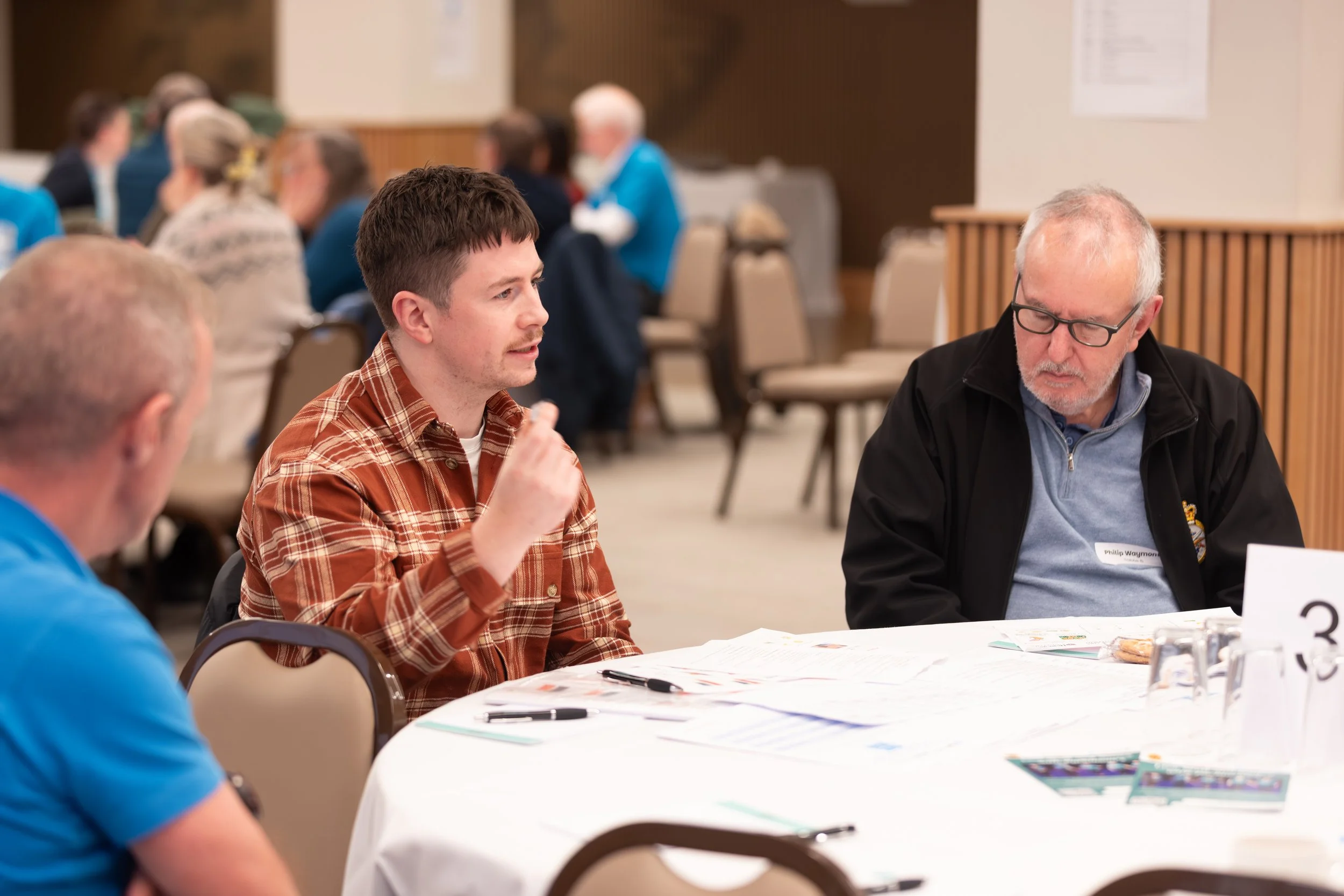
Dr Cameron Kirk
Research Associate, Newcastle University
The MOBILISE-D study
Cameron explained the use of wearable devices (accelerometers) to monitor walking in daily life and highlight Parkinson’s disease–specific movement patterns. This study has monitored walking in people with Parkinson’s and those without, both indoors and outdoors, to better understand real-world mobility. This work is part of the MOBILISE-D study, a large international project bringing together universities, industry and patient organisations to develop reliable ways of measuring movement in everyday life, rather than relying on short clinic assessments. The findings will help provide clinicians and researchers with a better understanding of early-stage Parkinson’s and support the development and testing of future treatments.

Claire Wilkinson
PhD Student, Newcastle University
From the Lab to Real Life - Tracking Parkinson’s Symptoms at Home with TORUS
This project uses wearable sensors and home-based technology to track a patient’s movement at home over seven days, recording walking and other aspects of everyday movement, and determining how the patient has to concentrate and plan movement. By capturing how symptoms change hour by hour rather than during occasional clinic visits, the aim is to improve how Parkinson’s symptoms are measured in research, which may help improve medication decisions and reduce the risk of falls in the future. People with Parkinson’s are closely involved in co-designing the TORUS study, helping to shape how the technology is used and ensuring privacy and relevance are central. The TORUS project is not currently recruiting but can link to a similar university project if anyone living with Parkinson’s is interested.
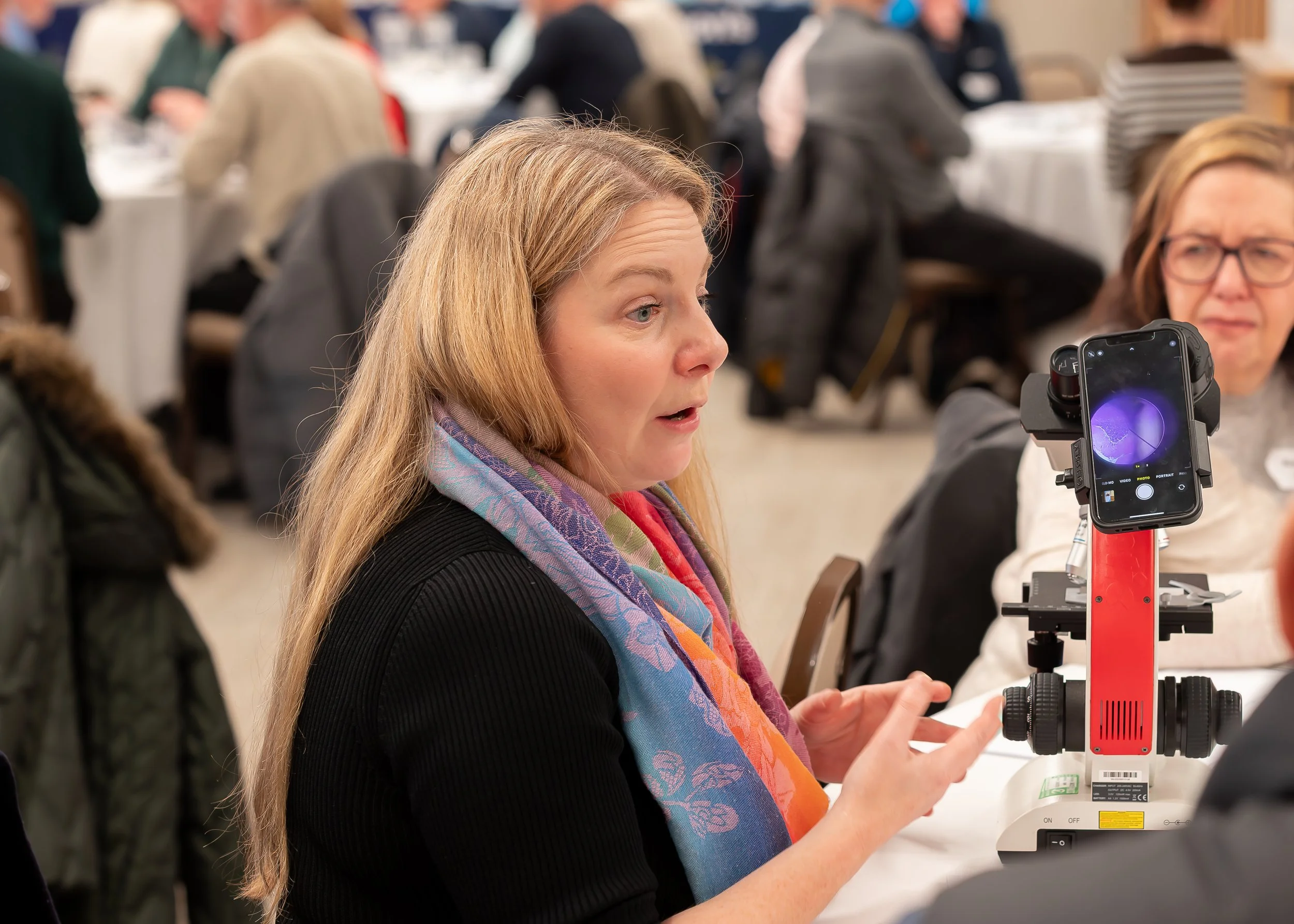
Dr Lauren Walker
Research Fellow, Newcastle University / Lecturer, University of Teesside
Brain Changes in People with Parkinson’s
Alpha-synuclein protein within the brain is necessary to allow cells to link and message the body. Parkinson’s disease stops this, causing cells to die in the brain stem, then across the movement areas of the brain. DAT scans can identify this. Other proteins can speed up progress of Parkinson’s Disease: this may be controllable, but research in USA has been stopped or slowed. Drugs that are being assessed are DONANEMTIB and DECANEMAM but these are at a cost of £24,000 per person per annum.
Note - Parkinson’s UK still accepts brain donations to distribute them to suitable research projects.
Dr Ellen Tullo
Lecturer, Sunderland University
Building a holistic service for Patients with Parkinson’s Disease and psychiatric symptoms
Ellen spoke about building a more holistic service for people with Parkinson’s who experience non-motor symptoms such as memory problems, low mood, anxiety and hallucinations. She described work in North Tyneside where a Parkinson’s disease specialist psychiatrist was integrated directly into the Parkinson’s multidisciplinary team, allowing quicker assessment, diagnosis and management in one familiar setting. This more joined-up approach reduced delays, avoided unnecessary referrals to separate services, and was preferred by patients and families. It also showed potential cost savings, particularly for people with mild cognitive impairment, and offers a model of care that could be adopted more widely.
Susan Wilson
Clinical Research Nurse ST&S NHS Foundation Trust
Research – the View from Sunny Sunderland
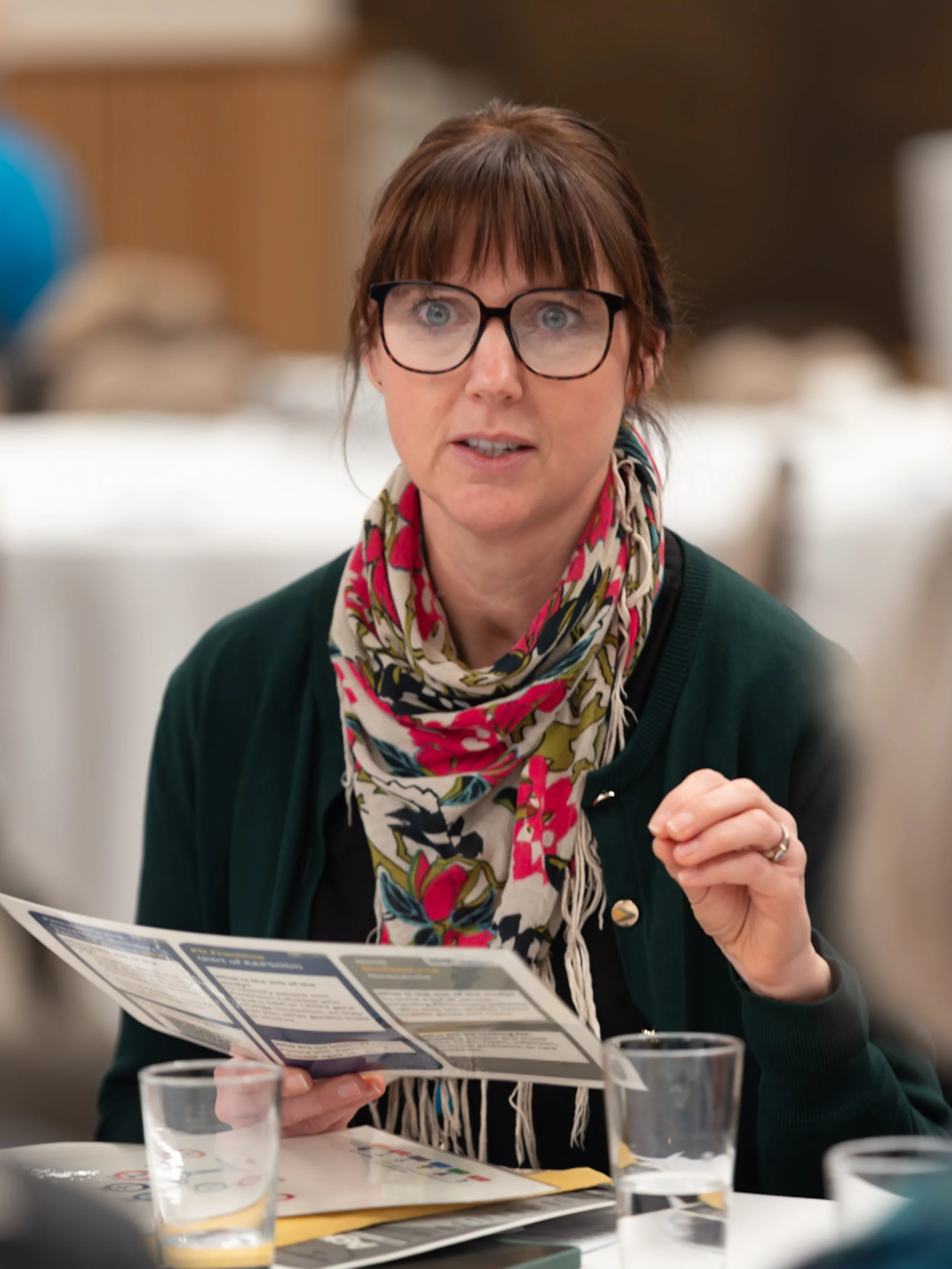
Susan explained that a number of Parkinson’s and movement disorder research studies are currently recruiting in Sunderland and across the wider Trust. These include TOPHAT, a trial exploring whether ondansetron can help treat hallucinations in people with Parkinson’s or Lewy body dementia, as well as several genetic studies such as the Parkinson’s and Movement Disorders Families Project, PD Frontline (part of RAPSODI) and the NIHR BioResource. Details of recruiting studies are shown in the attachment. Susan also highlighted the ‘Join Parkinson’s Research’ (JPR@Research+Me) website as the main way to join the national research registry, or people can contact NIHR BioResource Newcastle for more information.

Dr Lisa Graham
Northumbria University
Eye Movements in Parkinson’s
Lisa talked about her PhD work exploring eye movements in Parkinson’s. Patients with Parkinson’s experience minute tremors in the eyes. This can be measured with a handheld device and in the study 25 patients were tested twice. This showed the PD tremor reduces with age, and a subsequent sample of mixed age and symptoms showed that for the Parkinson’s patients the tremor reduced further. However, this is not providing a diagnostic tool for PD. Further testing with and without medications showed no difference in the level of tremor in the eye. Further testing is being considered for later stage Parkinson’s patients, and for patients just prior to Deep Brain Stimulation procedures.
Finally, we would like to give a huge thank you to everyone who was involved in organising, speaking and helping the day run smoothly! We’d like to particularly thank the Sunderland Branch, Parkinson’s UK and the NIHR Newcastle Biomedical Science Centre (BRC) who funded this event.
Parkinson’s NEC-RIG Research Day
20th November 2025 | Sunderland Stadium of Light
Photgraphs and video courtesy of David Newton