Cumbria Parkinson’s Research Day 2026
Better research starts with real experiences
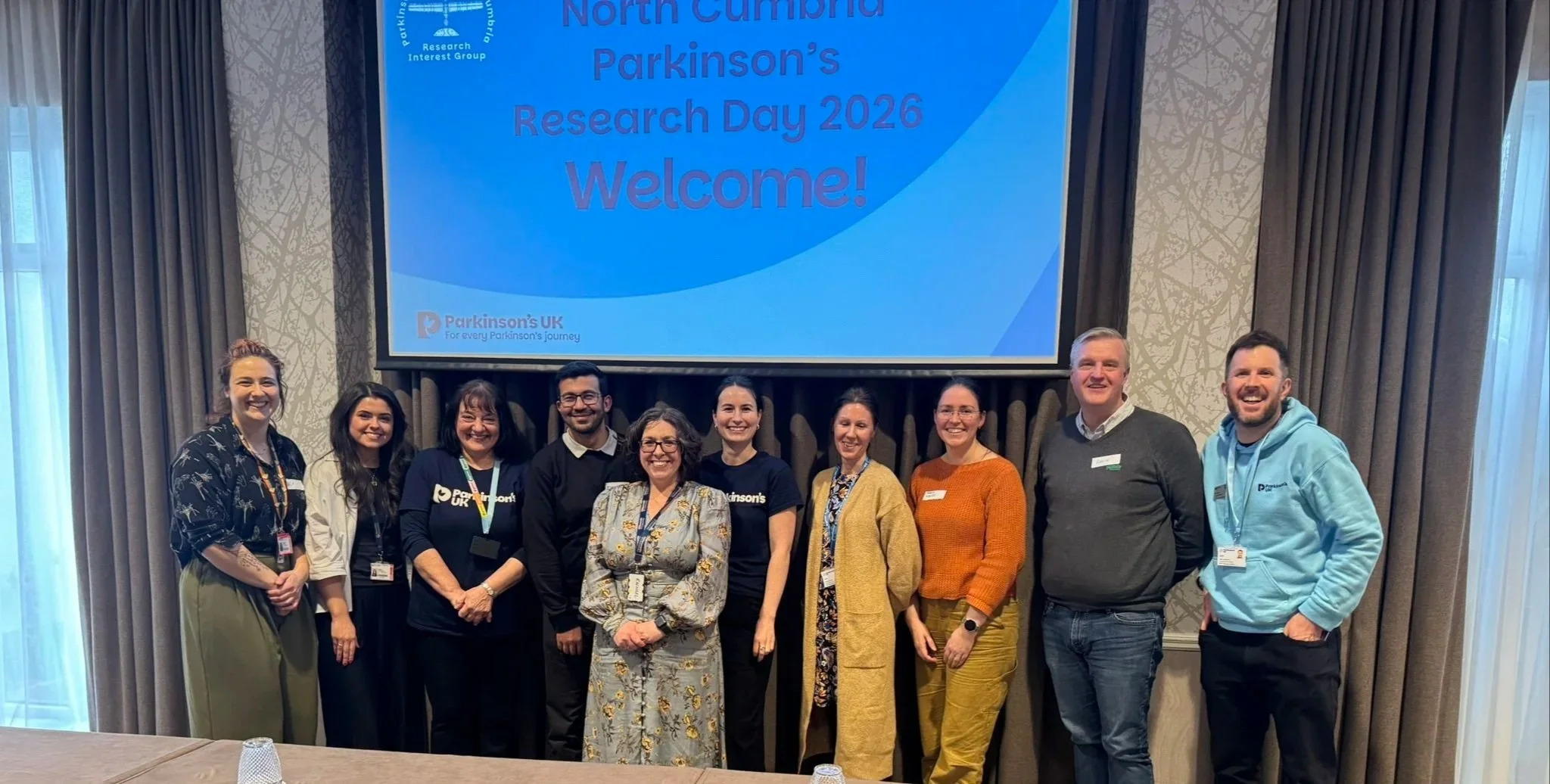
On March 26th, we hosted the successful North Cumbria Parkinson’s Research Day 2026 at The North Lakes Hotel in Penrith! This event brought together people living with Parkinson’s, their partners, families, friends, and carers, alongside clinicians and researchers from across the region, to hear the latest in Parkinson’s research.
Keynote Speaker
Dr Ailish O’Callaghan gave a wonderful keynote speech to start the day.
Who is Dr O’Callaghan?
Dr O’Callaghan is a consultant physician in Geriatric Medicine and the lead of the Specialist Parkinson’s Service at North Cumbria’s Integrated Care NHS Foundation Trust.
What did Dr O’Callaghan report?
Her talk highlighted how common Parkinson’s disease is in Cumbria (higher than in other UK studies) and the steps being taken to understand why.
She covered a study in Plymouth testing a device that may help with walking, and a study in London using saliva to understand how genes can contribute to Parkinson’s disease.
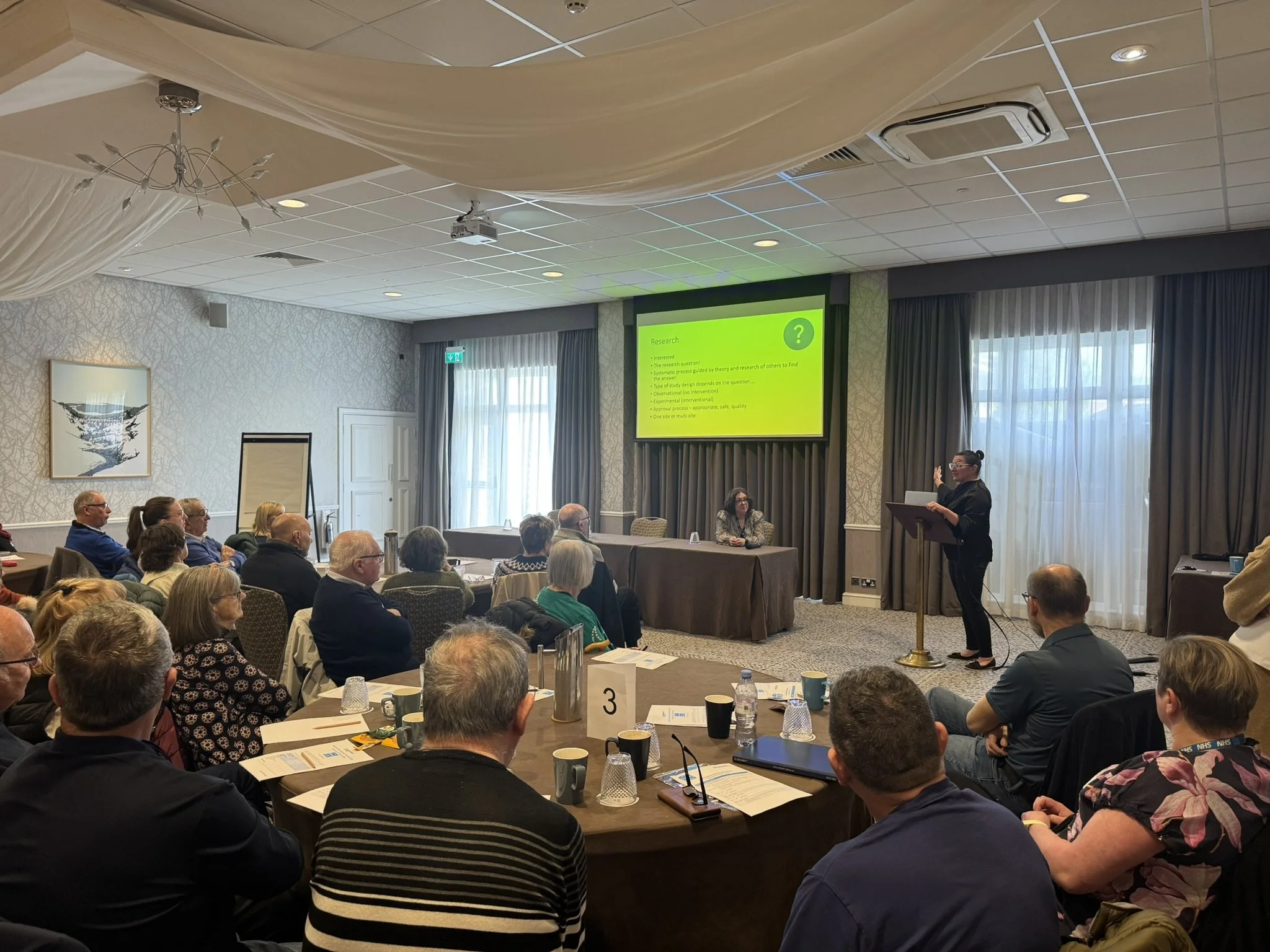
Dr O’Callaghan, Consultant Physician in Geriatric Medicine
Table talks
The day featured a wide range of interactive table-top discussions, covering everything from basic science through to lived experience and improving care!
Get involved
Emma Evans and Mary Connell, Research Nurses from North Cumbria Integrated Care NHS Foundation Trust, discussed how people with Parkinson’s can get involved in research in North Cumbria.
They introduced a range of studies currently taking place locally and explained the important role research participants play in helping us learn more about Parkinson’s and test new approaches to treatment and care.
One study highlighted was STEPS II, for people with Parkinson’s who experience difficulties with walking, such as slower walking, smaller steps or falls. The study is testing a device that delivers small electrical impulses to the leg to see whether this can help improve walking and movement.
Emma and Mary also encouraged anyone interested in research to get in touch with the local research team to find out about studies that may be suitable for them.
To find out more about Parkinson’s research opportunities in North Cumbria, contact the research team at: research@ncic.nhs.uk
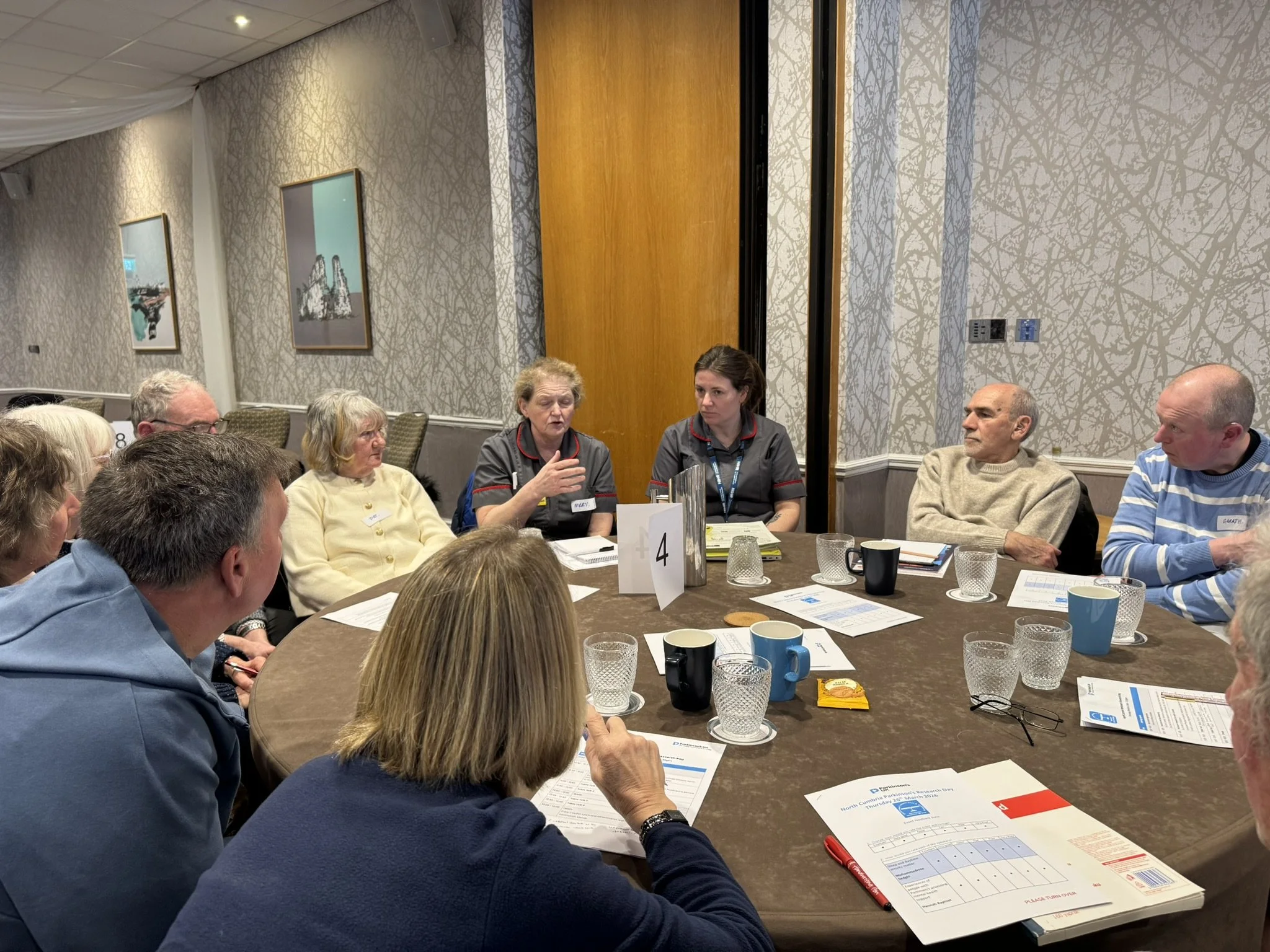
Emma Evans and Mary Connell, Research Nurses from North Cumbria Integrated Care NHS Foundation Trust
Progressing Parkinson’s Research
Dr Marie-Louise Zeissler, Research Associate at Newcastle University, discussed how we can speed up Parkinson’s research.
The EJS ACT-PD trial is the largest UK Parkinson’s research trial, testing new treatments for Parkinson’s disease. It currently involves over 1,600 participants across more than 40 UK sites! The aim is to slow or stop Parkinson's disease progression by testing more treatments more quickly.
Interested in taking part in the EJS ACT-PD trial or other research studies? Register your interest on the Join Parkinson’s Research, Research+Me registry!
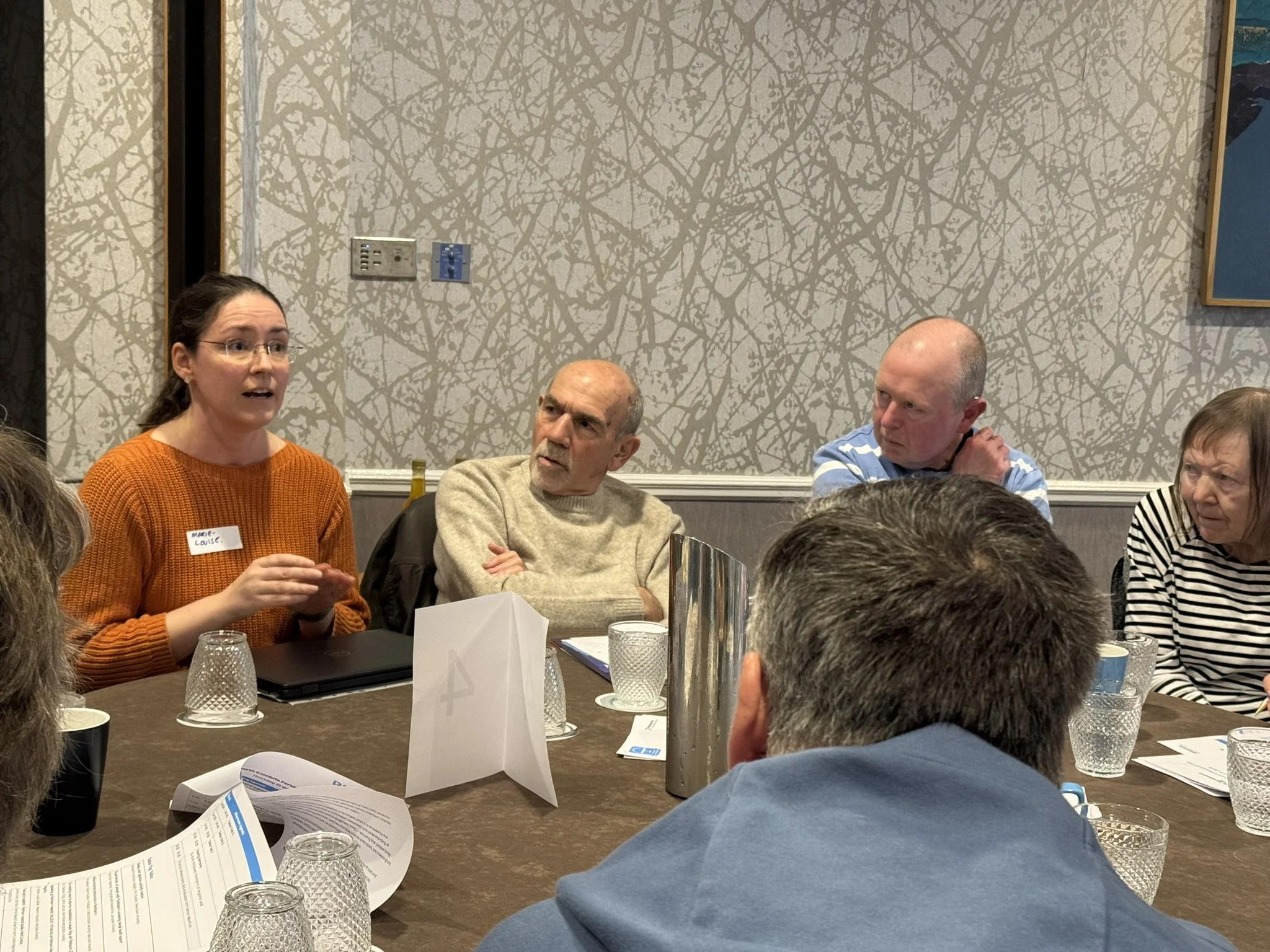
Dr Marie-Louise Zeissler, Research Associate at Newcastle University
Sleep
Mohammadreza Sedghi, a PhD student at Newcastle University, highlighted the significance of sleep and daytime activity in Parkinson’s.
Reza says, “I began by emphasising the importance of sleep, how our sleep patterns and needs change throughout ageing, and the impact that poor sleep can have on daily life.”
Reza introduced wearable devices as a potential solution to some of the challenges researchers face when measuring sleep. Unlike a single assessment in a clinic or sleep laboratory, wearable devices can help researchers understand sleep and activity over several days in people’s everyday lives. His PhD research is exploring how these technologies can be used to better measure sleep and daytime activity in Parkinson’s, and how changes in sleep may relate to how people feel and function during the day.
Importantly, Reza is also working with people with Parkinson’s and their families to understand which sleep problems matter most to them and how acceptable wearable technology is, helping ensure that future research is shaped around the priorities and experiences of the people it is intended to benefit.
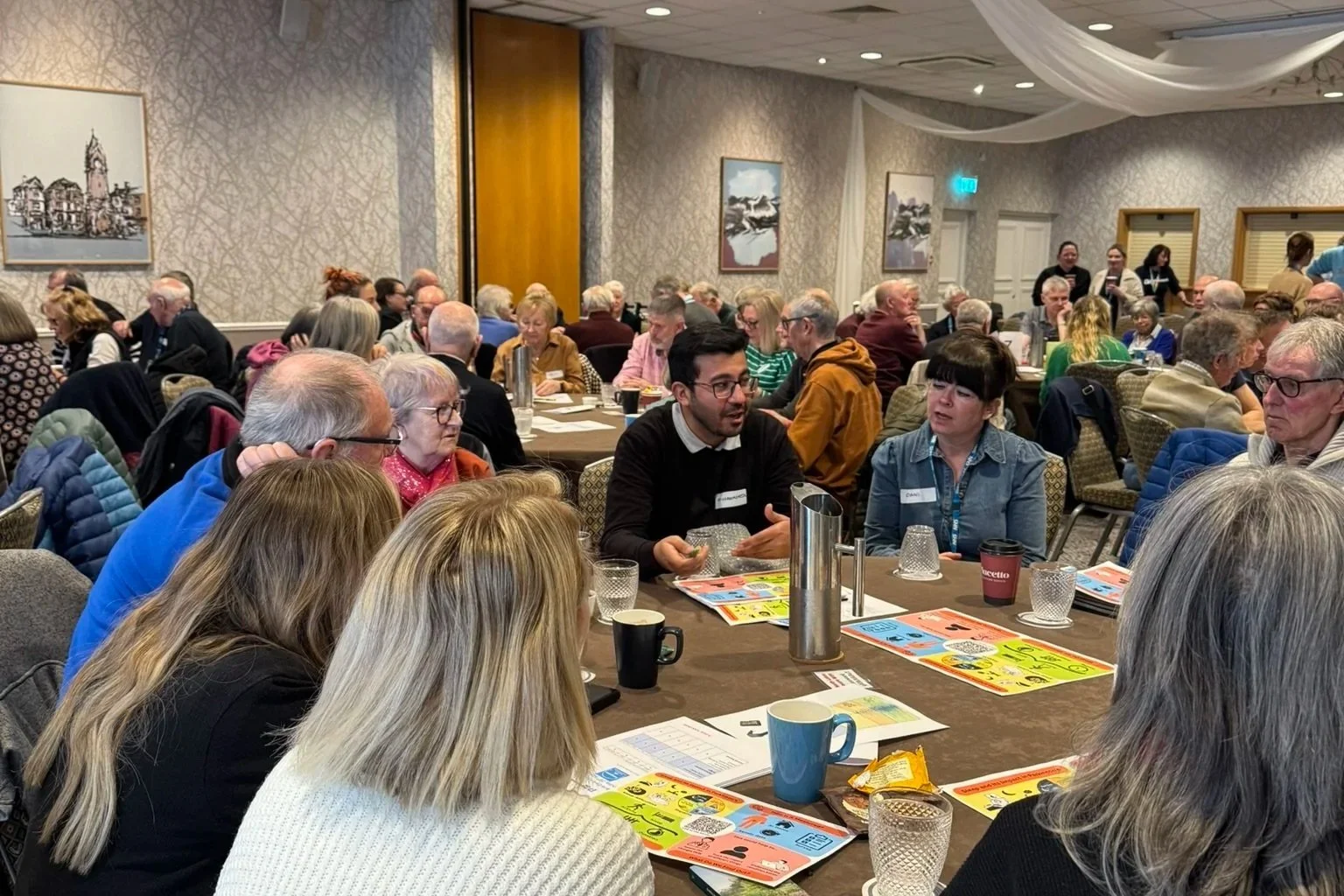
Mohammadreza Sedghi, a PhD student at Newcastle University
Hospitalisation
Another researcher at Newcastle University, Flo Gerakios, discussed how we can improve hospitalisation for people living with Parkinson’s.
Flo spoke about the ‘Defining Delirium and its Impact in Parkinson’s disease’ (DELIRIUM-PD) research study. Delirium is a medical term for a change in how the brain works that can cause sudden confusion. T The study found that people with Parkinson’s were more likely to develop delirium in hospital than older adults without Parkinson’s. This is important because delirium can have a significant impact on a person’s recovery and wellbeing, but its symptoms can sometimes be difficult to distinguish from existing Parkinson’s symptoms. Recognising delirium quickly and understanding how it affects people with Parkinson’s could help improve care during a hospital stay and support better recovery afterwards.
Flo shared a newsletter with the study findings and practical top tips on how to improve poor outcomes after delirium for people living with Parkinson’s, their families, and healthcare professionals.
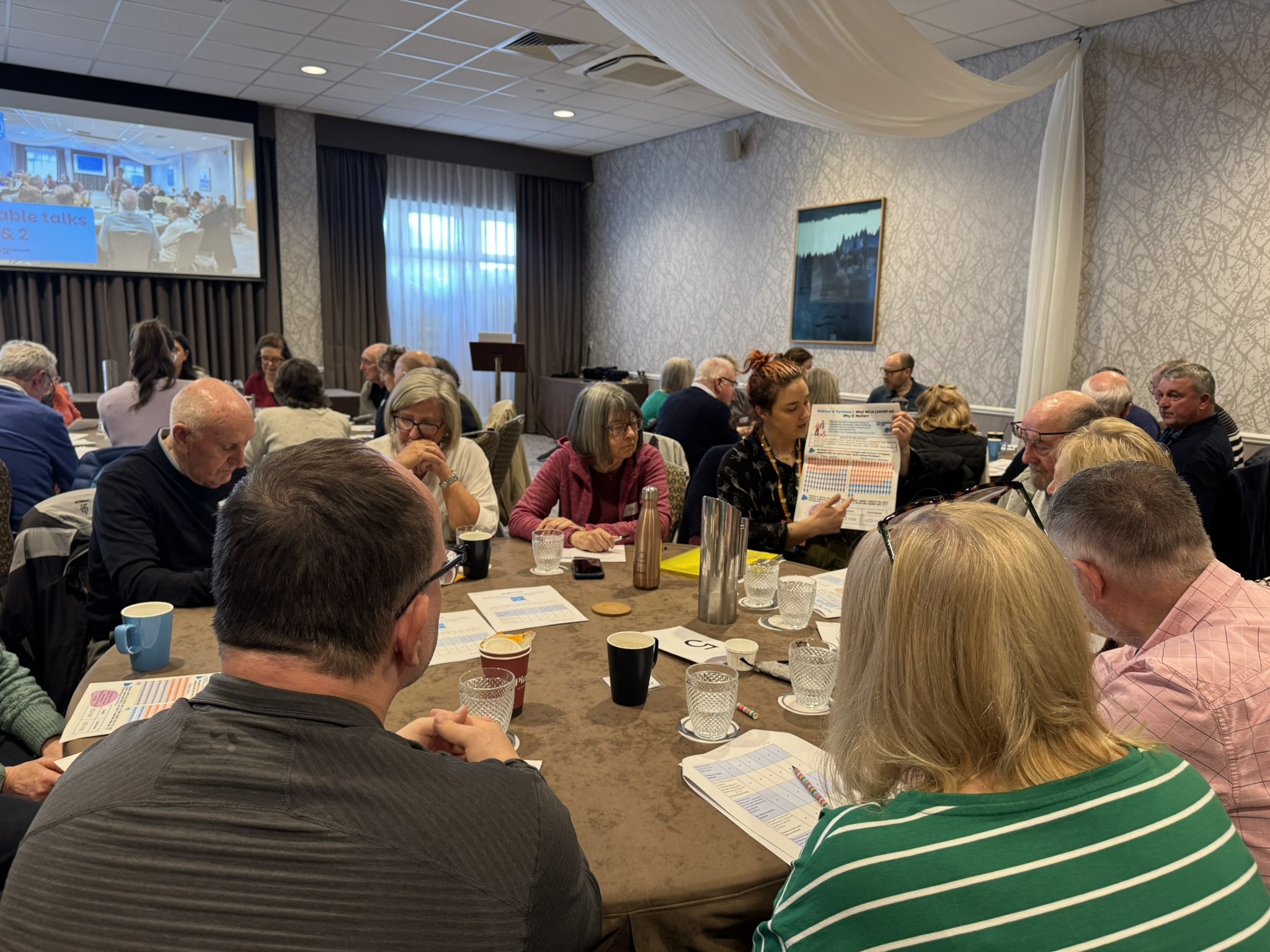
Flo Gerakios, PhD Student at Newcastle University
Mobility
Megan Hanrahan, Research Assistant and PhD Student at Newcastle University, discussed what mobility means for people living with Parkinson's in rural settings. From a larger interview study, Megan explored the experiences of 22 people with Parkinson's who live rurally. This highlighted specific mobility challenges they may encounter, such as uneven terrain on local walking routes, which can make going out for a walk worrying.
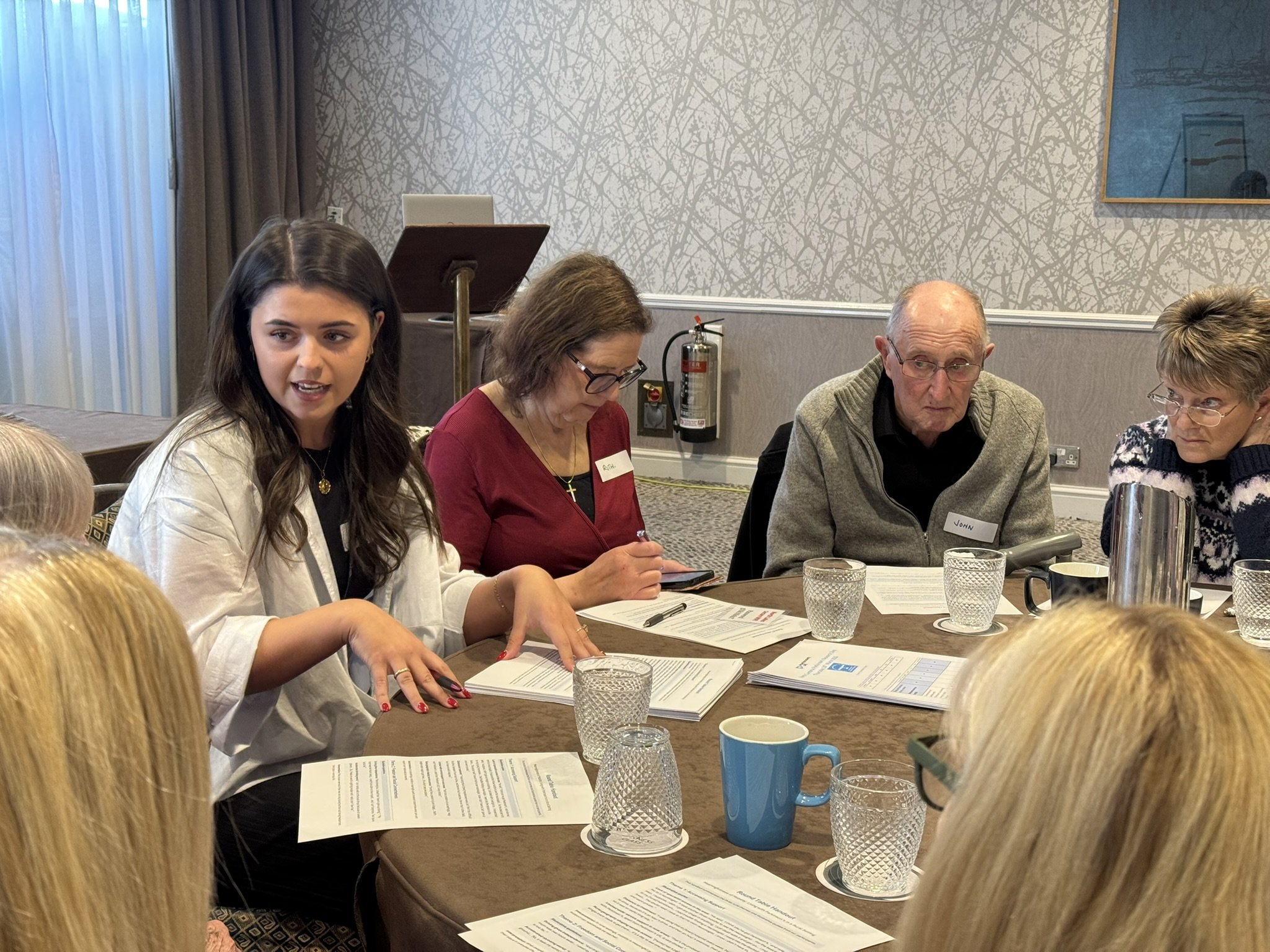
Megan Hanrahan, Research Assistant and PhD Student at Newcastle University
Mental health
Hannah Rapinet, Postgraduate Researcher at Lancaster University, shared research exploring the experiences of people with Parkinson’s when accessing mental health support.
Hannah discussed why it is important to understand the experiences of people with Parkinson’s when seeking support for their mental health, including what can help or make it more difficult to access the right support. By listening directly to people with Parkinson’s, this research aims to better understand their needs and experiences and help identify how mental health support could be improved.
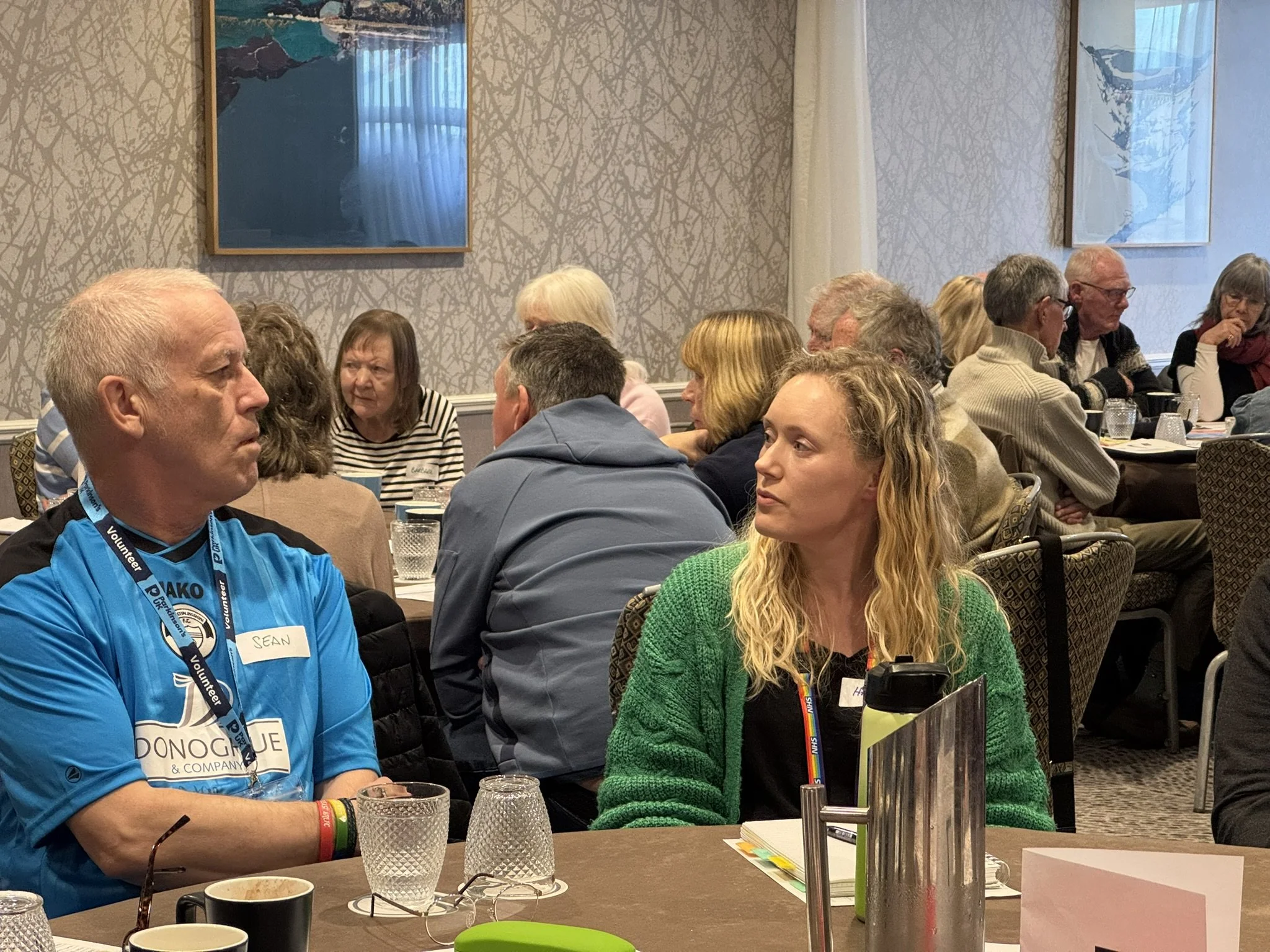
Hannah Rapinet, Postgraduate Researcher at Lancaster University
Mitochondria
While Professor Gavin Hudson, from Newcastle University, spoke about understanding mitochondrial dysfunction in Parkinson’s.
Mitochondria are often described as the ‘powerhouses’ of our cells because they help produce the energy cells need to function. Gavin explained how changes in the way mitochondria work may be linked to Parkinson’s and why understanding these changes could give researchers important clues about what is happening inside brain cells. His research explores mitochondrial DNA and how changes in mitochondrial function are associated with Parkinson’s and other conditions.
Researchers in Newcastle have found evidence of changes to mitochondria in brain cells affected by Parkinson’s, including changes in proteins involved in producing energy and maintaining healthy mitochondria. Understanding these processes could ultimately help researchers identify new ways to measure, understand and potentially target the biological changes involved in Parkinson’s.
People attending the session said this talk was ‘fascinating' and they ‘would like to know more’!
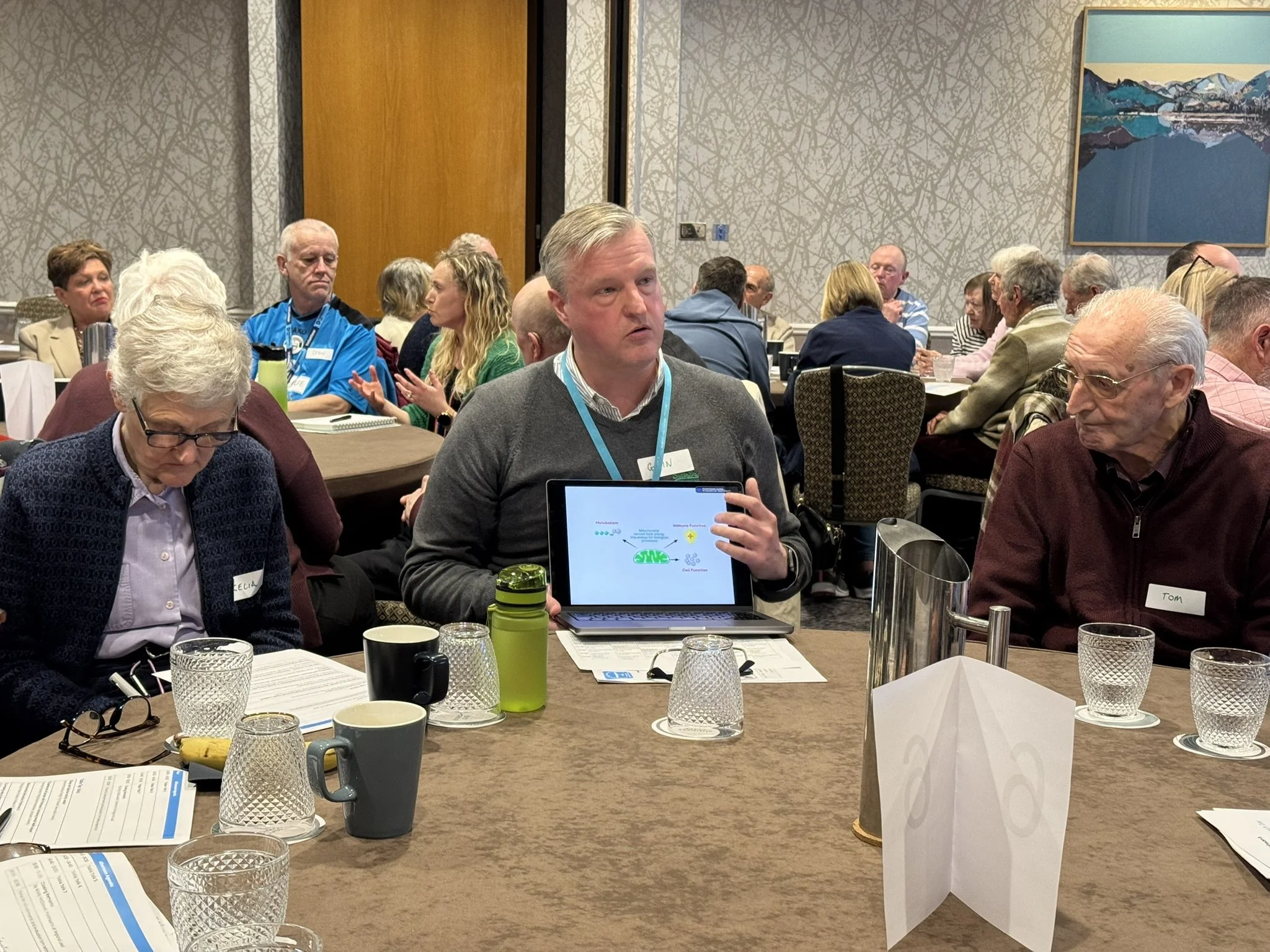
Professor Gavin Hudson from Newcastle University
Feedback
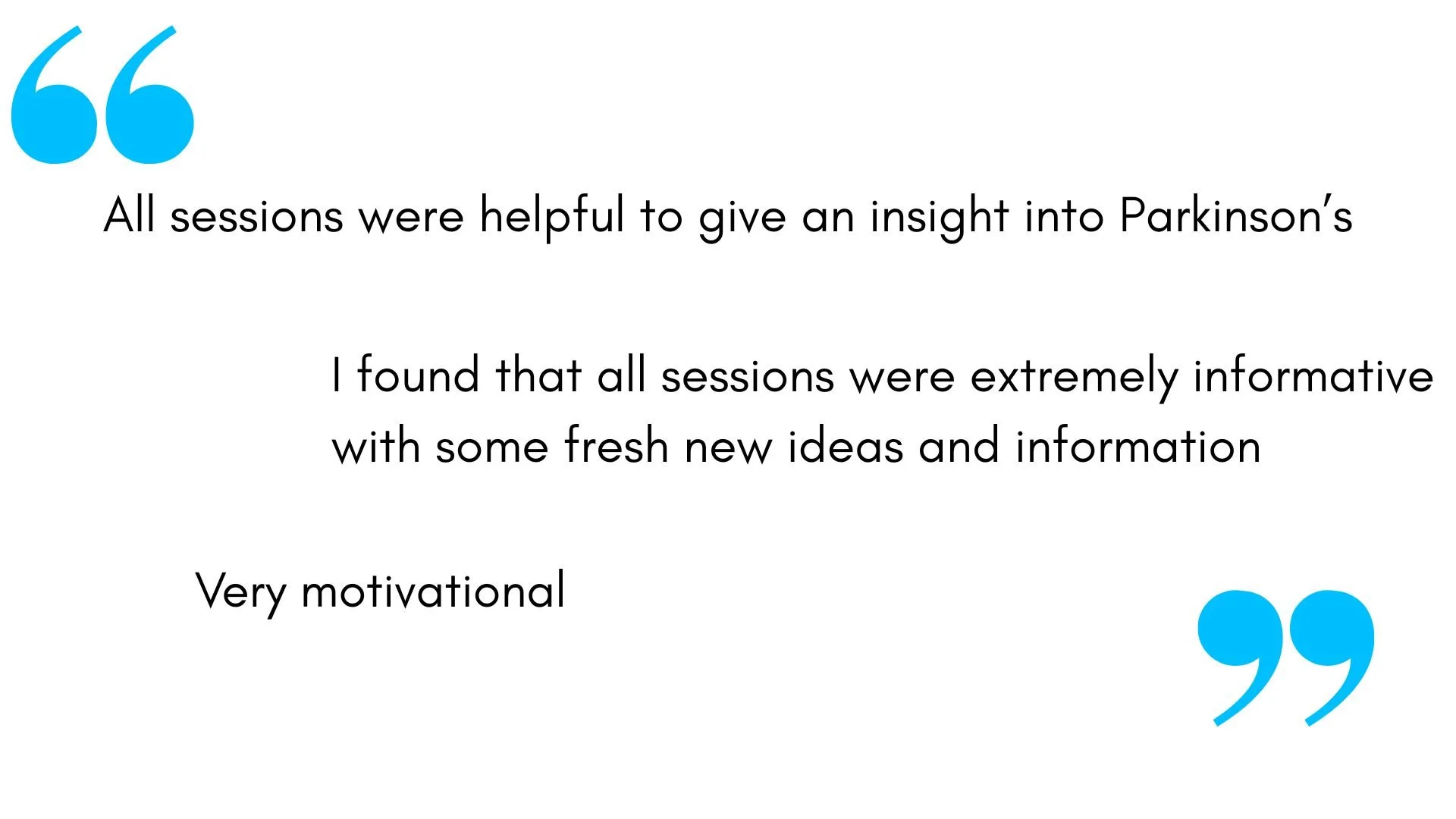
What did people who attended the event say? Overall, most attendees said the event was very good or excellent. Most people felt the event improved their knowledge about local research opportunities ‘a lot’, and no one said it didn’t improve their knowledge at all.
Thank you
“A huge thank you to everyone who helped make the North Cumbria Parkinson’s Research Day such a success. It was wonderful to see so many people living with Parkinson’s, families, friends, carers, researchers and healthcare professionals coming together to share experiences, ask questions and talk openly about research.
We are incredibly grateful to all of our speakers for giving their time and making their research so accessible and engaging. A very special thank you must also go to our local Parkinson’s UK branches and volunteers across Cumbria, whose support, enthusiasm and generous contribution towards funding the day helped make the event possible. Their local knowledge and involvement were invaluable in helping us bring the research community and Parkinson’s community together.
Finally, thank you to everyone who attended. Your questions, experiences and ideas are at the heart of NEC-RIG and remind us why events like this are so important. Better research really does start with real experiences, and we look forward to continuing to work together to grow Parkinson’s research and opportunities to get involved across Cumbria.
Dr Rachael Lawson
NEC-RIG Lead, on behalf of the event organisers”
By Dr Florence Gerakios
Research Associate, Newcastle University